Wisdom Teeth Removal Consultations in Beachwood, OH

Wisdom teeth are the third molars, the last teeth to come in, usually in the late teens or early twenties. Many jaws do not have room for them. They can come in crooked, stay partly under the gum, or stay trapped in the bone. That is when people notice pain at the back of the mouth, swollen gums, food getting caught, or pressure on the teeth in front.

The first step is finding out what is actually going on. At Diamond Dental, Dr. Barry Diamond examines your wisdom teeth, takes X-rays, and explains what he sees and what needs to happen next. You get answers and a plan from your own dentist, without waiting months just to be seen.

Impacted, Crowded or Partly Erupted Third Molars

Wisdom teeth cause trouble in a few common ways. An impacted tooth stays trapped in the jawbone or under the gum and cannot come in. A partly erupted tooth breaks through only part way, leaving a flap of gum where food and bacteria collect and infection can start. A tooth that comes in at an angle can push against the molar in front of it, trap food between the two, and make both teeth harder to clean.

Some wisdom teeth never cause a problem and can simply be watched. Others start quietly, with decay or gum inflammation that you cannot feel yet. An exam and X-rays tell you which kind you have.

Schedule Appointment

Get in touch

First Name(Required)
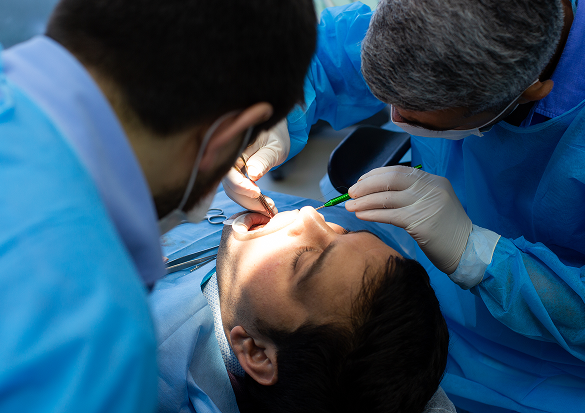
Smiling patient during a dental visit in Beachwood, OH

Why Problem Third Molars Are Worth Addressing

A wisdom tooth that is causing trouble rarely fixes itself. Infection around a partly erupted tooth tends to come back. Decay that starts on a wisdom tooth can spread to the molar next to it, and that molar is one you want to keep. Pressure and swelling can make chewing, opening your mouth, and keeping the area clean harder over time.

Looking at the problem early gives you more choices. If the tooth only needs watching, you know what to look for. If it needs to come out, removal can be planned before the pain gets worse, and any infection can be treated first.

Exam, X-Rays and a Plan for Your Wisdom Teeth

Your visit starts with a conversation about your symptoms: where it hurts, how long it has been going on, and whether it comes and goes. Dr. Diamond then examines the area and takes X-rays to see how the wisdom teeth sit in the jaw, how much room they have, and whether they are affecting the teeth and gums around them. The practice also uses the iTero Element 5D scanner for detailed digital images of your teeth.

From there, Dr. Diamond explains what he found and what he recommends. That may be watching the tooth and rechecking it at your regular visits, treating an infection or cleaning the area, or removal. If a different tooth is the problem, our tooth extractions page explains how Dr. Diamond removes teeth that cannot be saved.

Dr. Diamond earned his Doctor of Dental Surgery degree from the University of Maryland and completed an Advanced Education in General Dentistry program.

Diamond Dental of Beachwood dentist giving a thumbs up in the office
Oral surgery team treating a patient

What to Expect at Your Wisdom Teeth Visit

If a wisdom tooth is hurting or infected, Diamond Dental can treat the pain and infection first so you are comfortable. Dr. Diamond explains each option, what it involves, and what to expect, so you can decide with all the facts.

Signs a wisdom tooth may be causing trouble: pain or pressure at the back of the jaw, swollen or tender gum over a partly erupted tooth, a bad taste or bad breath from that area, difficulty opening your mouth fully, or food that keeps getting trapped behind the last molar. Some wisdom teeth cause no symptoms but sit at an angle that makes the tooth in front hard to clean, which X-rays can show.

If removal is recommended, it is referred to an outside office. Ask which office you are being referred to, what records will be sent, and how to reach them about aftercare. Not every wisdom tooth needs to come out; healthy, fully erupted teeth that can be cleaned well are often monitored instead.

After any removal, you come back to Diamond Dental for your regular checkups and cleanings. Dr. Diamond checks how the area has healed and keeps an eye on the teeth next to where the wisdom teeth were.


What Our Patients Are Saying

5.0★★★★★464 reviewsWrite a review
★★★★★November 2026

Diamond dental has nice and skillful people

★★★★★November 2026

Had an amazing experience was clquick didn’t hurt everyone was professional if I could give ten stars I would

★★★★★November 2026

Very friendlyand attentive great staff

★★★★★November 2026

Very excellent dentist. Took as much time as needed for my kids and gentle and caring.

★★★★★November 2026

I was super happy they were able to see me same day for a tooth infection. I will be returning.

★★★★★November 2026

Sarah was very good! Efficient and careful!

Smile Transformations: Before and After

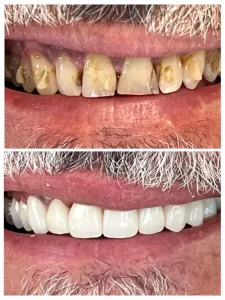
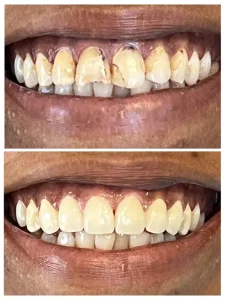
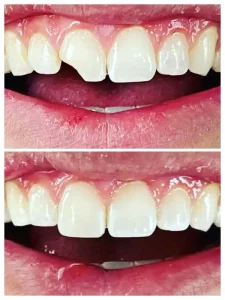
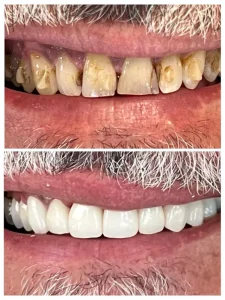
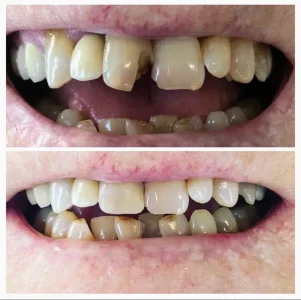
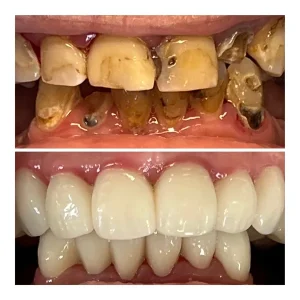
The gallery shows cosmetic veneer cases, rather than examples of every treatment on this page. Results vary by patient. Learn about veneers.

Evaluate Position & Impaction

An exam and imaging show how each wisdom tooth relates to nearby teeth and structures.

A Clear Plan

Dr. Diamond explains whether to watch the tooth, treat it first or have it removed.

Follow-Up Care

Follow the treating clinician’s instructions after referred removal. Diamond Dental continues routine dental care and helps coordinate next steps.

Questions About Third Molars, Impaction and Recovery

These answers cover common questions about wisdom teeth: how they are checked, when they need to come out, and what happens before and after removal. For advice about your own teeth, book an exam.

Where is the wisdom teeth surgery done?

Diamond Dental refers you to an outpatient surgical clinic for the removal itself. Afterward, you follow up with us here at Diamond Dental, and Dr. Diamond checks how the area has healed.

Common signs include pain or pressure at the back of the mouth, swollen or tender gums behind your last molars, a bad taste or smell from that area, food getting stuck around a partly erupted tooth, and trouble opening your mouth fully. Some problems cause no symptoms at first, which is why X-rays matter.

Dr. Diamond asks about your symptoms, examines the area, and takes X-rays to see where the wisdom teeth sit and how they affect the teeth around them. He then explains whether the teeth can be watched, need treatment first, or should be removed, and what the next step is.

Call the office. Diamond Dental offers same-day emergency appointments, so Dr. Diamond can find the cause of the pain and treat an infection if there is one.

No. Wisdom teeth that come in straight, have enough room, and can be kept clean may never cause a problem. Dr. Diamond checks them at your regular visits and lets you know if anything changes.

Talk With Dr. Barry Diamond About Back-Tooth Pain