


Dental Crowns in Beachwood, OH

A dental crown covers and protects a tooth that’s too damaged for a filling alone, whether it’s cracked, heavily filled, worn down or recently treated with a root canal. At Diamond Dental in Beachwood, Dr. Barry Diamond takes a 3D iTero scan instead of messy impressions and has each crown made to fit your bite.

Call (216) 206-8075 or book a crown consultation online.

What Is a Dental Crown and When Do You Need One?

A crown is a custom-made cap that covers the whole visible part of a tooth, restoring its shape and strength. You might need one if:

  • a large filling has failed, or the tooth has more filling than tooth left. A filling works for smaller repairs;
  • the tooth is cracked or a cusp has broken off;
  • the tooth has had a root canal. Back teeth especially usually need a crown afterward to protect them;
  • the tooth is badly worn from grinding;
  • the tooth is misshapen or badly discolored and other cosmetic options won’t work.

A crown is also used to cover a dental implant, or as the anchor for a bridge.

Ask About a Crown

First Name(Required)
Dr. Barry Diamond, DDS, who explains crown, filling and extraction options in Beachwood, OH

Repair, Rebuild or Remove?

If enough healthy tooth remains, a filling is the simpler and less expensive fix. A crown becomes the better choice when a filling would leave the tooth too weak to handle chewing forces, because the crown holds the tooth together.

“Wouldn’t it be cheaper to pull it?” At the visit itself, an extraction usually costs less. But a missing tooth rarely stays a one-time cost. The neighboring teeth can drift into the gap, and replacing the tooth later with an implant or bridge usually costs more than the crown would have. If a tooth can be saved, saving it is usually the better value. When it can’t, Dr. Diamond will say so and explain extraction and replacement options.

Filling, crown or extraction at a glance
CompareFillingCrownExtraction
When it fitsEnough healthy tooth remainsA filling would leave the tooth too weak for chewingThe tooth cannot be saved
What it doesRepairs the damaged part of the toothCovers the tooth and holds it togetherRemoves the tooth
Cost at the visitThe simpler, less expensive fixMore than a fillingUsually the least at the visit itself
Longer termKeeps the most natural toothTypically lasts 5 to 15 years, often longer with good careNeighboring teeth can drift; replacing the tooth later usually costs more than a crown

Which Material Is Right for You?

Tooth-colored ceramic

Porcelain and ceramic crowns match the color and translucency of natural teeth, which makes them the usual choice for front teeth. Zirconia is a very strong tooth-colored ceramic that suits back teeth, which take the most chewing force, while still looking natural.

Metal and porcelain-fused-to-metal

Metal crowns (gold and other alloys) are extremely durable and need the least tooth removed, but they show, so they’re mostly used on back molars. Porcelain-fused-to-metal crowns combine a metal base for strength with a tooth-colored porcelain surface.

Dr. Diamond will recommend a material based on where the tooth is, how hard you bite or grind, and how much it shows when you smile.

How Long Does It Take? Step by Step

A crown typically takes two visits, about two to three weeks apart, while a dental lab makes your crown.

Between visits you wear a temporary crown. It protects the shaped tooth, but it is held with softer cement, so chew on the other side, skip sticky foods such as caramel and gum, and slide floss out sideways rather than lifting it up. If the temporary comes loose, keep it and call the office so it can be put back before the tooth shifts.

1. Exam and x-ray

Dr. Diamond checks the tooth and confirms a crown is the right fix. Common reasons are a filling too large to hold, a crack, a worn tooth or a back tooth after a root canal.

2. Preparation and scan

The tooth is numbed and shaped, an iTero 3D scan is taken, and you leave with a temporary crown.

3. Your restoration is made

A dental lab makes your crown from the scan, shaped to your bite and shaded to match the teeth beside it.

4. Fit and bite check

The temporary comes off, and the new crown is checked for fit, color and bite, then cemented in place.

Questions about a crown? Call (216) 206-8075

Is the Procedure Uncomfortable?

The tooth is numbed before it’s shaped, so most people feel pressure and vibration rather than pain. Afterward, some sensitivity to hot and cold for a couple of weeks is normal, and the gum around the tooth may be a little sore for a few days.

Living with your temporary: it’s held with softer cement on purpose, so chew on the other side and skip sticky or hard foods like caramel, gum, ice and nuts until your permanent crown is in. If it comes off, call us. Don’t leave the tooth uncovered.

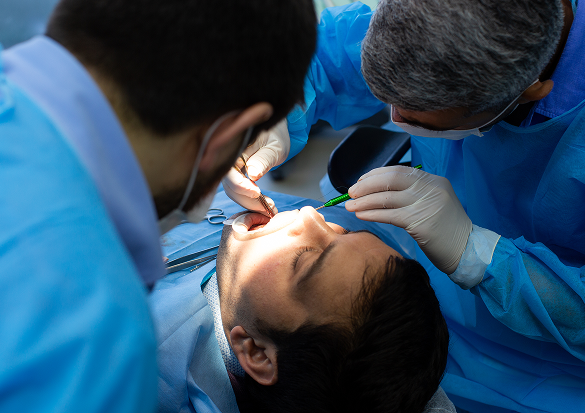
Patient comfortable in the dental chair during a dental crown visit in Beachwood, OH
Patient smiling into a hand mirror after a dental crown in Beachwood, OH

How Long Do They Last, and Can Decay Return?

A crown typically lasts 5 to 15 years, and often longer with good care.

The crown itself can’t decay, but the tooth underneath it can, usually at the edge where the crown meets the tooth near the gumline. To protect it:

  • brush twice a day and floss daily, paying attention to the gumline;
  • keep your regular cleanings and checkups, where the crown edges are checked;
  • avoid chewing ice and hard objects;
  • if you grind or clench, wear a custom nightguard at night.

When to call. Let the office know if a crown feels loose, your bite feels high or uneven, a rough edge catches your tongue or floss, or the tooth becomes sensitive to hot, cold or biting. A loose crown can often be cleaned and re-cemented if it is seen early, before decay gets underneath. If one comes off completely, keep it in a small bag and bring it with you.

Cost and Insurance

The cost depends on the material, whether the tooth needs other treatment first (such as a root canal or a buildup), and your insurance. You’ll get an exact written fee at your exam, before any treatment.

Insurance: many dental plans cover part of a crown when it’s needed to restore a damaged tooth. We’re happy to check your plan.

Paying for your crown: members of our In-House Savings Plan get 15% off needed treatment, and flexible in-house payment plans let you pay over time. We accept cash, checks and credit cards. See payment options.

Can a General Dentist Do This?

Yes. Most crowns are placed by general dentists. Preparing, scanning and fitting a crown is routine restorative work, and Dr. Diamond’s residency training focused on restorative and cosmetic cases. If you’re missing a tooth rather than repairing one, a crown can also anchor a bridge. Learn about crowns and bridges.

Is a crown always needed? No. If enough healthy tooth remains, a filling may be the simpler repair, and you’ll hear that option. A crown is usually recommended when the remaining walls of the tooth are too thin to hold a filling safely, when a crack needs to be held together, or when a back tooth has had a root canal and is more likely to split under chewing pressure.

Which material? Crowns are commonly made from all-ceramic or porcelain, zirconia, porcelain fused to metal, or metal. Front teeth usually call for a tooth-colored material that looks natural; back teeth need strength for chewing. The right choice depends on where the tooth is, how you bite and how much room there is.

Your Dentist: Dr. Barry Diamond

Dr. Barry Diamond is a restorative and cosmetic dentist in Beachwood. He earned his Doctor of Dental Surgery at the University of Maryland and completed the University of Maryland’s Advanced Education in General Dentistry residency, where he managed complex restorative and cosmetic cases.

The office uses digital x-rays and an iTero Element 5D scanner, which takes a detailed 3D model of your teeth with a small wand instead of impression putty.

Read more about Dr. Diamond

Dr. Barry Diamond, DDS, who places dental crowns at Diamond Dental in Beachwood, OH

Dental Bridges for Missing Teeth

A bridge replaces one or more missing teeth using a false tooth held by crowns on the teeth beside the gap. Those supporting teeth need enough healthy structure and gum support to carry it, and preparing them for crowns is a lasting change. The number and position of the missing teeth and the forces in your bite affect whether a bridge suits you.

Bridge, Implant or Denture

A dental implant and a removable denture are the main alternatives. They differ in support, surgery, treatment time, cleaning and cost. Ask which options fit your mouth and what could change if replacement is delayed.

How a Bridge Is Planned and Fitted

Dr. Diamond examines the gap, the supporting teeth, the gums and the bite, with X-rays when indicated, and you review the proposed bridge and its alternatives before any tooth is prepared. When a tooth-supported bridge is chosen, the supporting teeth are prepared under local anesthesia and digital impressions and shade records guide the laboratory. Temporary care is explained until the final bridge is checked for fit, bite and appearance.

Caring for a Bridge

Food can collect under the replacement tooth, so ask for a demonstration of cleaning beneath it with a floss threader or another aid. Keep up regular checkups and cleanings so the supporting teeth and the bridge can be monitored.

What Our Patients Are Saying

5.0★★★★★464 reviewsWrite a review
★★★★★November 2026

Sarah did a great job today with my cleaning, left a new smile and ready to come back!

★★★★★November 2026

Sara was awesome!

★★★★★November 2026

I came in for a consultation to get porcelain veneers. Dr. Diamond was very knowledgeable about things. He didn’t force or pressure me into anything I did not want. Phenomenal service.

★★★★★November 2026

We are absolutely blown away by the wonderful experience we had at Dr. Diamond’s office!A very special thank you to Batya, who made Leora’s very first dental cleaning such an amazing experience! She was incredibly gentle, patient, sweet, and loving. She made Leora feel so comfortable and safe that, believe it or not, Leora didn’t even want to leave! 🥹❤️As parents, there is nothing more comforting than seeing your little one treated with so much kindness and care, especially during a first experience that could easily be scary.We truly couldn’t have asked for a better experience. Batya has such a special way with children, and it really shows. We are beyond grateful and cannot recommend Dr. Diamond’s office enough!With so much appreciation,Love, the Elbaz Gang! ❤️

★★★★★November 2026

Great staff and professional!

★★★★★October 2026

Very good experience for my cleaning here with hygienist Sarah. Dr Diamond is very professional and I felt heard and understood about my concerns regarding past treatments I received at another doctor’s clinic. Got recommendations for a orthodontic doctor. Thanks a lot!
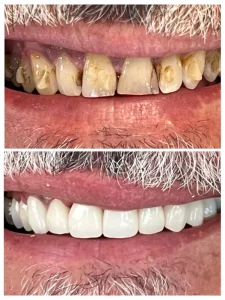
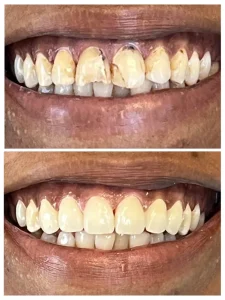
Restored Smiles from Dr. Diamond's Patients

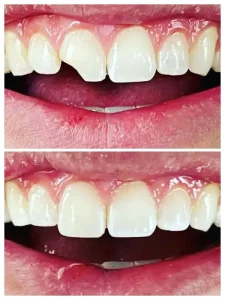
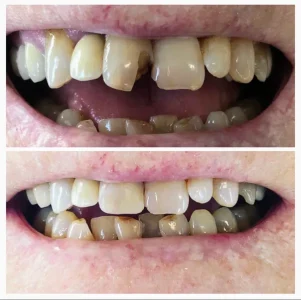
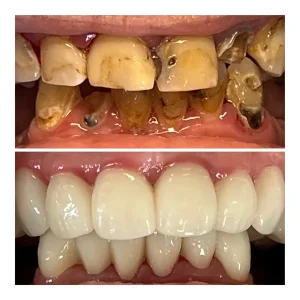
Cosmetic cases completed by Dr. Diamond with porcelain veneers. Ask about veneers.

Strength & Protection

A crown covers and reinforces a tooth weakened by decay, fracture or a large filling.

Custom-Matched Appearance

The restoration is shaped and shaded to look natural beside surrounding teeth.

Long-Term Restoration

With good home care and regular exams, a well-fitted crown can serve for many years.

Questions About Cracked Teeth, Materials and Longevity

These answers address common questions about dental crowns, including evaluation, timing, comfort, alternatives, and maintenance. They provide general information only; an examination is necessary to determine what is appropriate for an individual patient.

How much does a crown cost?

It depends on the material, whether the tooth needs other work first, and your insurance. You’ll get a written fee at your exam. Insurance often covers part, Savings Plan members get 15% off, and we offer in-house payment plans.

Typically two visits about two to three weeks apart: one to prepare the tooth and scan it, and one to fit the permanent crown. You wear a temporary crown in between.

Typically 5 to 15 years, and often longer with good brushing, flossing, checkups and a nightguard if you grind.

The crown can’t decay, but the tooth underneath can, usually at the edge near the gumline. Good brushing and flossing and regular checkups prevent most of it.

Pulling usually costs less on the day. But replacing a missing tooth later with an implant or bridge usually costs more than the crown would have, and the gap can let other teeth shift. If the tooth can be saved, a crown is usually better value.

Yes. General dentists place most crowns. It’s routine restorative care.

The tooth is numbed, so you’ll mostly feel pressure. Some sensitivity to hot and cold for a couple of weeks afterward is normal.

Many plans cover part of a crown when it repairs a damaged tooth. Coverage for purely cosmetic crowns is less common. We’ll check your plan before treatment.

A crown covers one damaged tooth. A bridge replaces a missing tooth by attaching a false tooth to crowns on the neighboring teeth.

Use a floss threader or another aid the team recommends to clean beneath the replacement tooth, and ask for a demonstration at your visit.

That depends on the supporting teeth, gum health, your bite and home care. Regular checkups let problems be found early; no fixed lifespan can be promised.

Ready to Protect a Damaged Tooth?

Book a crown consultation online or call (216) 206-8075. You’ll leave knowing whether the tooth needs a crown, which material suits it and what it would cost.

Patients visit us from Beachwood, Lyndhurst, South Euclid, Pepper Pike, Orange Village and Chagrin Falls.