

Extraction removes a tooth when the examination shows it cannot reasonably be saved or removal is otherwise appropriate. Diamond Dental performs suitable non-wisdom extractions in-house. Wisdom tooth removal is referred out; see our oral surgery assessment overview for that distinction.
Before deciding, ask whether a crown or root canal treatment could preserve the tooth. If removal is needed, discuss replacement with a bridge, implant-supported option or denture where appropriate.
Most dentists prefer to save natural teeth whenever possible, but sometimes extraction becomes the best option for protecting your overall oral health. Severe tooth decay that extends deep into the root, advanced periodontal disease that has destroyed supporting bone and tissue, or impacted teeth that cannot emerge properly are situations where extraction often provides the most effective solution.
Delaying necessary extractions can lead to increased pain, infection that spreads to surrounding teeth and tissues, and complications that make the eventual procedure more complex. Early intervention when extraction is recommended helps prevent these problems and typically results in more comfortable treatment and faster healing.
Modern extraction techniques focus on preserving surrounding bone and tissue whenever possible, which is important if you plan to replace the extracted tooth with an implant, bridge, or partial denture. Understanding why extraction is recommended helps patients make informed decisions about their treatment options.

Removal can address a tooth that cannot be restored, but it is still a procedure with recovery needs. Local anesthesia is used for comfort. The dentist explains the reason for removal, relevant risks, alternatives and aftercare before treatment.
Common reasons a tooth is removed include a tooth broken below the gumline or too decayed to rebuild, a tooth loosened by advanced gum disease, an infection that can’t be resolved with a root canal, or a crack that runs down the root. If a tooth can reasonably be kept, that option is explained first.
Tell the team about medications, health conditions and previous healing problems. Do not change prescribed medication on your own. Contact the office after treatment about persistent bleeding, worsening symptoms or concerns described in your instructions.
Wisdom-teeth removal is referred to an outside office; see wisdom teeth. Other extractions are done here.
Recommendations for tooth extraction at Diamond Dental begin with an examination and a conversation about the patient’s goals. Dr. Barry Diamond evaluates the cause of damage, restorability, infection, root shape, surrounding bone, medical history, and replacement needs before recommending treatment. This helps remove a non-restorable tooth safely while planning what comes next, without assuming that every patient needs the same procedure.
Dr. Diamond earned his Doctor of Dental Surgery degree from the University of Maryland and completed an Advanced Education in General Dentistry program. That background supports comprehensive treatment planning, coordination between preventive, restorative, and cosmetic needs, and a clear discussion of alternatives. Before care begins, patients receive an explanation of the proposed sequence, expected maintenance, and considerations specific to their health history.
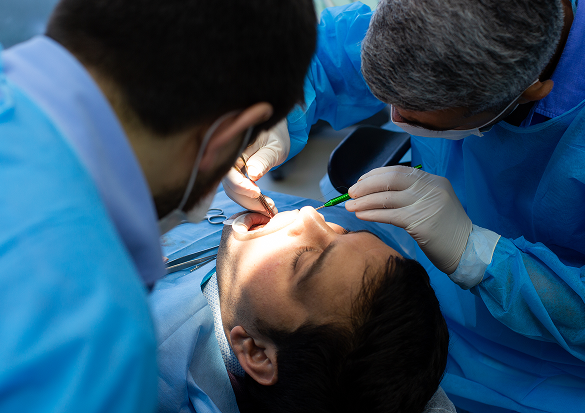
Dr. Diamond first determines whether the tooth can reasonably be saved. When removal is appropriate, the procedure, anesthesia, afte