

A dental implant replaces a missing tooth from the root up. It’s the closest thing to getting a natural tooth back: it’s fixed in place, it doesn’t rely on the teeth next to it, and you care for it just like your other teeth. At Diamond Dental in Beachwood, your options are explained in plain terms, with a written plan and fee before anything begins.
Call (216) 206-8075 or book an implant consultation online.
A dental implant has three parts:
Over the healing months, the jawbone grows tightly against the surface of the post. This bond, called osseointegration, is what lets an implant take full chewing pressure, so you can bite into an apple or chew a steak the way you would with a natural tooth.
One implant can replace a single tooth. Two or more can support a bridge across several missing teeth, or hold a denture firmly so it doesn’t slip. This is often called an implant-supported or snap-in denture.
The crown is shaped and shaded to match the teeth around it, so an implant tooth is hard to pick out in a smile. The crown itself can’t get a cavity, but the gum and bone around the post can still become inflamed, so it needs the same daily brushing, flossing and regular cleanings as your natural teeth.
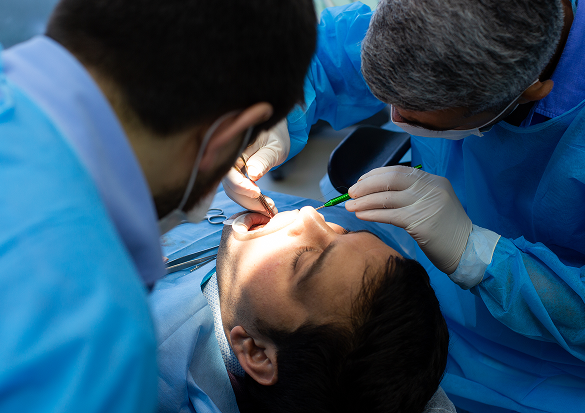
An implant stands on its own, so the teeth on either side aren’t touched. Because it sits in the jawbone, it helps keep the bone from shrinking where the tooth was lost. It feels and works most like a natural tooth. The trade-off is time: healing takes a few months before the final tooth goes on.
A bridge fills the gap with a false tooth held by crowns on the teeth on either side. It’s quicker, and there’s no surgery, but those neighboring teeth have to be shaped for crowns. It also doesn’t stop bone loss under the gap.
A denture replaces several or all teeth and comes out for cleaning. It’s the least expensive way to replace many teeth, but it can move when you eat or talk, and the jawbone keeps changing underneath, so it needs adjusting over time. Implants can be added to hold a denture steady.
| Compare | Dental implant | Bridge | Denture |
|---|---|---|---|
| What it replaces | One tooth, or several with an implant-supported bridge or denture | A gap, with a false tooth | Several or all teeth |
| Held in place by | A post in the jawbone | Crowns on the teeth on either side | Rests in the mouth and comes out for cleaning |
| Surgery | Yes | No | No, unless implants are added to hold it steady |
| Jawbone | Helps keep the bone from shrinking | Does not stop bone loss under the gap | Keeps changing underneath |
| How it feels | Most like a natural tooth | Fixed in place | Can move when you eat or talk |
| Main trade-off | A few months of healing before the final tooth | Neighboring teeth are reshaped | Needs adjusting over time |
Replacement timing depends on infection, healing, the available support and the proposed restoration. Your plan should explain whether an extraction site needs time to heal before a later stage of care. No same-day implant service is promised.
Some extraction sites are suited to an implant soon after the tooth comes out. Many are left to heal first, typically for three to four months, especially where there was infection. The right timing comes from the examination and X-rays, not from a fixed rule.
If the bone has thinned. An implant needs enough bone around it to hold firmly. When a tooth has been missing for a while, or infection or gum disease has worn bone away, a bone graft can rebuild the area first. Bone grafting is done here at the Beachwood office, and the graft is given time to heal before the next stage. Your X-rays show how much support there is.
Why not just leave the gap? When a tooth is missing for a long time, the teeth beside it can tip into the space and the opposing tooth can drift toward it. That changes how your teeth meet and creates spots that are harder to clean. The jawbone where the root used to be also slowly shrinks, which can narrow the options later. Planning the replacement early keeps the most choices open.
Before treatment, ask who will carry out implant placement and restoration, which visits would be at Diamond Dental, and whether an outside clinician is involved. If a tooth needs removal, discuss replacement options beforehand so the plan can account for healing. Learn about tooth extractions.
An examination and appropriate X-rays assess teeth and supporting bone. The iTero Element 5D scan records tooth surfaces and bite for a digital impression.
You get a written plan, a timeline and a fee before anything begins. It sets out the number of implants, the type of final tooth and how many visits to expect.
The post is placed in the jawbone. Over the next few months (typically three or more), the bone fuses to it. Your plan covers what fills the space while it heals.
The abutment and your custom crown, bridge or denture are attached. The bite is checked and adjusted so the new tooth meets its neighbors evenly.
Questions about implants? Call (216) 206-8075
The clinician performing placement gives procedure-specific instructions on recovery, medications and when to seek help. Healing and the timing of the final restoration vary with the treatment plan and health factors; contact the treating team about worsening pain, swelling or other concerning changes.
The first week. Some soreness and swelling are normal for the first few days, and most people feel back to normal within about a week. Soft, cool foods such as yogurt, eggs, soup and pasta are easiest; chew on the other side and skip very hot, crunchy or sticky foods for a while. Not smoking or vaping makes a real difference to how well the area heals.
Everyday care. After restoration, clean around the implant as instructed. A soft toothbrush, floss or small interdental brushes, and a water flosser if you like one, keep plaque off the gumline where problems start. Keep review visits so the tissues, bite and restoration can be checked; bleeding or tenderness around an implant is worth having looked at early.
An implant and its restoration require maintenance and are not guaranteed to last a lifetime. Discuss protection from grinding if relevant.
The cost depends on how many teeth are being replaced, whether any teeth need removing first, and the type of final tooth: a single crown, a bridge or an implant-supported denture. You’ll get an exact written fee and timeline before treatment starts.
Insurance: some dental plans pay part of an implant, or at least the crown on top. We’re happy to check your plan.
Paying for implants: members of our In-House Savings Plan get 15% off needed treatment, and flexible in-house payment plans let you pay over time. We accept cash, checks and credit cards. See payment options.
Dr. Barry Diamond is a restorative and cosmetic dentist in Beachwood. He earned his Doctor of Dental Surgery at the University of Maryland and completed the University of Maryland’s Advanced Education in General Dentistry residency, where he managed complex restorative and cosmetic cases.
The office uses digital x-rays and an iTero Element 5D scanner, which takes a detailed 3D model of your teeth with a small wand instead of impression putty.

A new great experience. My hygienist, Sarah, was knowledgeable, and all around good.

Excellent service!!! Dr. Barry and staff were very warm, patient and kind. I would definitely recommend for the whole family!
Very helpful and courteous staff. Dr. Diamond really helped save the day for me!A positive dental test experience all around!
Great experience, and pleasant staff. I looked everywhere for an office that can accommodate a wheelchair and I found Diamond Dental. Pain free. Highly recommend.
The staff and the dentist were the best I have ever experienced. Sarah was excellent and they were patient with me. I appreciate their support and professionalism.
Excellent service
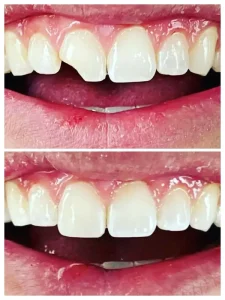
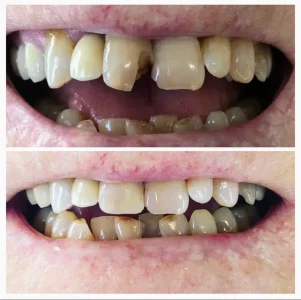
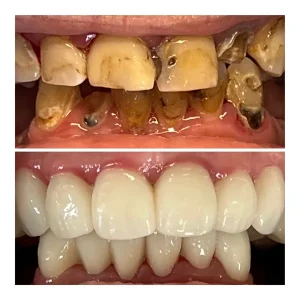
Cosmetic cases completed by Dr. Diamond with porcelain veneers. Ask about veneers.
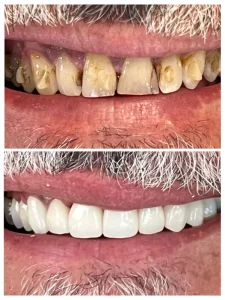
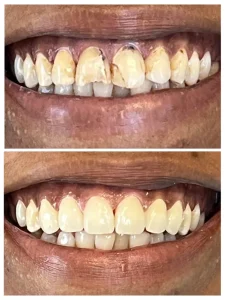
An examination and appropriate X-rays assess teeth and bone support; an iTero scan records tooth surfaces and bite. The care plan identifies each treatment stage.
An implant-supported restoration replaces a missing tooth from root to chewing surface.
A fixed solution can restore comfortable chewing and a natural-looking smile.
These answers address common questions about dental implant treatment, including evaluation, timing, comfort, alternatives, and maintenance. They provide general information only; an examination is necessary to determine what is appropriate for an individual patient.
It depends on how many teeth are replaced, whether extractions are needed and the type of final tooth. You’ll get a written fee before treatment. Insurance may pay part, Savings Plan members get 15% off, and we offer in-house payment plans.
Very little rules you out permanently. Untreated gum disease, smoking, uncontrolled health conditions and significant bone loss can delay treatment or change the options. Most can be addressed first. Where bone has shrunk, a bone graft, done here at Diamond Dental, can often rebuild it.
Timing is determined after assessment of the extraction site, infection, bone support and the proposed restoration. Healing may be needed before further treatment. Ask for the sequence of appointments and the clinician responsible for each stage; no same-day implant service is promised.
Age itself isn’t a barrier. There’s no upper age limit. If your gums are healthy and your general health allows a minor procedure, implants can give you many years of comfortable chewing.
Some plans cover part of the implant or the crown on top, and many don’t cover the whole thing. We’ll check your plan and give you a written fee.
Durability varies with gum health, cleaning, bite forces, health factors and the restoration. Implants need ongoing review, and parts of the restoration may need repair or replacement. No lifetime result is guaranteed.
The treating clinician explains anesthesia and expected recovery before placement. Tenderness or swelling can occur, but the duration and care needed vary. Follow the specific instructions and contact that team about worsening or unexpected symptoms.
An implant doesn’t involve the neighboring teeth and helps preserve the jawbone, but it takes a few months. A bridge is quicker with no surgery, but the teeth on either side are shaped for crowns. The better choice depends on those neighboring teeth and your timeline.
Book an implant consultation online or call (216) 206-8075. You’ll leave knowing whether implants suit you, what the process would look like and what it would cost.
Patients visit us from Beachwood, Lyndhurst, South Euclid, Pepper Pike, Orange Village and Chagrin Falls.