
Preventive Dentistry in Beachwood, OH

Preventive care aims to reduce avoidable tooth and gum problems and identify changes early. Your plan should reflect your cavity risk, gum condition, medical history, and the care you can maintain at home.

At Diamond Dental, prevention includes dental examinations, cleanings, and discussion of measures such as fluoride treatment and sealants when appropriate. It does not mean the same schedule or treatments for every patient.

What a Preventive Visit Can Assess

The dentist checks for decay, gum inflammation, changes around restorations, and signs of tooth wear. Discuss sensitivity, bleeding gums, dry mouth, and changes in medication or health, even if they seem minor. X-rays are recommended when the history and examination indicate a need.

The exam typically also looks beyond the teeth, at the tongue, cheeks, palate and throat, for sores or patches that need watching. Gum pockets are measured, and your bite is checked for wear from clenching or grinding.

Why this matters: early cavities and gum disease rarely hurt. By the time a tooth aches, a small filling may have become a crown or a root canal. Finding problems while they are small keeps treatment simpler and costs lower.

A routine cleaning removes plaque and hardened deposits. If gum measurements show a need for deeper treatment, the plan may differ from a standard cleaning; see gum health and periodontal care.

Schedule Appointment

Get in touch

First Name(Required)
Smiling patient during a dental visit in Beachwood, OH

Which Preventive Measures Fit Your Risk?

Fluoride can help protect enamel against decay; your dentist considers cavity history and other risk factors. Sealants cover suitable chewing grooves where food and plaque can collect. The condition of the tooth determines whether a sealant is appropriate.

Home care includes brushing with fluoride toothpaste and cleaning between teeth. Ask for guidance around bridges, implants, braces, or other areas that are difficult to clean. Grinding concerns may warrant an assessment for a nightguard; an appliance does not replace an evaluation of tooth wear or jaw symptoms.

Diet and dry mouth matter as much as brushing. How often you snack or sip sugary or acidic drinks, such as soda, sports drinks, juice or sweetened coffee, affects cavity risk more than the total amount, because each sip restarts the acid attack on enamel. Water between meals and sugar-free gum help. Many common medications reduce saliva, which raises cavity risk; mention a dry mouth so it can be planned for.

Your Exam, Risk Review and Care Plan

Recommendations for preventive dentistry at Diamond Dental begin with an examination and a conversation about the patient’s goals. Dr. Barry Diamond evaluates cavity and gum-disease risk, home-care habits, diet, fluoride exposure, tooth wear, and previous dental history before recommending treatment. This helps reduce avoidable disease through care matched to individual risk, without assuming that every patient needs the same procedure.

Dr. Diamond earned his Doctor of Dental Surgery degree from the University of Maryland and completed an Advanced Education in General Dentistry program. That background supports comprehensive treatment planning, coordination between preventive, restorative, and cosmetic needs, and a clear discussion of alternatives. Before care begins, patients receive an explanation of the proposed sequence, expected maintenance, and considerations specific to their health history.

Diamond Dental of Beachwood dentist giving a thumbs up in the office
Oral surgery team treating a patient

Agree on a Practical Prevention Plan

Bring a medication list and describe your current brushing and interdental cleaning routine. The team can help identify changes you can carry out consistently, rather than simply adding more products.

A daily routine that works for most people:

  • brush twice a day for two minutes with a soft brush and fluoride toothpaste, angling the bristles toward the gumline;
  • spit out the toothpaste afterward rather than rinsing, so the fluoride stays on the teeth;
  • clean between your teeth once a day with floss, floss picks or small interdental brushes;
  • replace your toothbrush or brush head every three to four months, or sooner if the bristles splay.

Before leaving, confirm your recommended review interval and the reasons for it. Patients with higher cavity risk or gum disease may need different follow-up from someone with stable oral health. Contact the office about new symptoms rather than waiting for a scheduled checkup.

Returning to Routine Care and Explaining Sensitivity

Coming Back After a Gap

If it has been a while since your last visit, you do not have to decide whether you need a cleaning, fillings or gum treatment before you call. Tell the office when you last received care, whether anything hurts and whether you have records or X-rays from a previous dentist. The appropriate type of cleaning depends on the gum assessment, so it should not be assumed beforehand. The examination shows which findings need attention first, which can be monitored and which are elective.

Describing Tooth Sensitivity

Before your visit, notice whether the sensation involves one tooth or several, what sets it off (cold, hot, sweet or biting) and whether it stops quickly or lingers. Mention recent whitening, fillings or other dental work. These details help explain the concern, but similar symptoms can come from different causes, so an examination is needed before treatment is recommended. If pain grows stronger or you notice swelling, call (216) 206-8075 instead of waiting for a routine visit; see emergency dentistry.

Fluoride and Sealants

Fluoride Based on Your Cavity Risk

Fluoride helps strengthen enamel against decay. Whether a professional fluoride application is recommended, and how often, depends on your cavity risk: recent decay, dry mouth, diet, home care and existing dental work all play a part. It is not needed at every visit for everyone, so ask what your findings suggest.

Sealants for Deep Grooves

The chewing surfaces of back teeth have grooves that can trap food and plaque. A sealant is a thin coating that covers those grooves. The tooth is checked first, because a sealant is placed on a sound surface rather than over decay. Sealants are often discussed for children but can suit adults too. They do not make a tooth immune to cavities, and they are checked at your examinations so any wear or loss can be repaired.

What Our Patients Are Saying

5.0★★★★★464 reviewsWrite a review
★★★★★November 2026

They made my daughter feel so comfortable!!!

★★★★★November 2026

Great service and would recommend to anyone!

★★★★★November 2026

The staff is exceptional. From the time that I called in and during my visit. They were very professional and friendly. I was even given a same day appointment. Much appreciation. Thank you!

★★★★★November 2026

Did a great job!!! Ask for she Sarah!!!!

★★★★★November 2026

Sarah was great, very personable. She explained everything pretty good to me.

★★★★★November 2026

Friendly staff ! Great visit . Great item for the winter coming up on
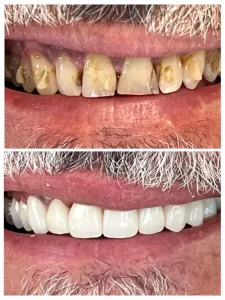
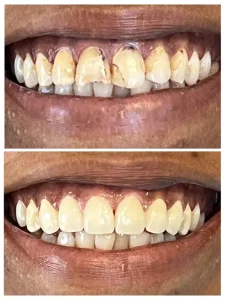
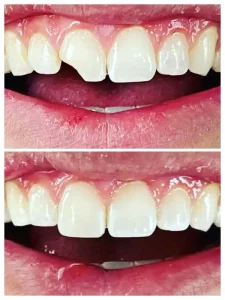
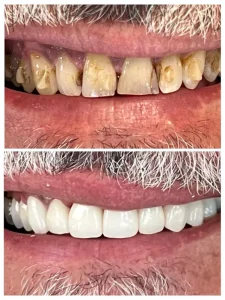
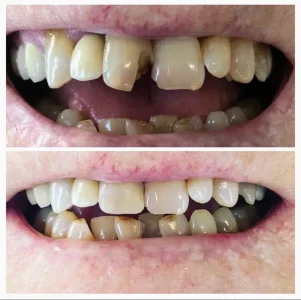
Smile Transformations: Before and After

These photos show cosmetic veneer cases by Dr. Diamond, rather than examples of every treatment discussed on this page. Results vary by patient. Learn about veneers.

Cleanings & Exams

Routine visits remove buildup and monitor changes in teeth, gums and bite.

Fluoride & Sealants

Additional preventive treatments are recommended when they fit a patient’s cavity risk.

Catch Problems Early

Small concerns are usually simpler to manage when identified before symptoms grow.

Questions About Preventive Dentistry

These answers explain common decisions about care. Your examination and health history determine the recommendations for your individual needs.

How often should I have a checkup and cleaning?

Your dentist recommends an interval based on findings, cavity risk, and gum health. There is no single schedule that fits every patient.

Not always. Periodontal assessment may show a need for treatment below the gumline and a different maintenance schedule. The team explains why it differs from a routine cleaning.

Sealants may be appropriate for suitable teeth in children or adults. Tooth condition and cavity risk determine whether they are useful.

Yes. Changes in saliva, medication, and medical history can affect oral care planning. Bring a current medication list and discuss any changes.

No. Prevention reduces risk, but diet, home care, health factors, and the condition of each tooth still matter. Examinations help identify changes that need attention.

Yes. Explain the gap when you call. The examination is the starting point, and you do not need to choose a treatment yourself.

Yes. Describe the trigger and how long it lasts so the team can arrange an appropriate visit, and mention any recent whitening or dental work.

Not necessarily. The recommendation depends on your cavity risk, which is reviewed at your examination.

No. They protect the grooves they cover, but brushing, flossing and regular checkups are still needed, and sealants are checked for wear at each examination.

Build a Prevention Plan Around Your Needs