General dentistry brings routine checkups, prevention, and treatment of damaged teeth into one care plan. At Diamond Dental, Dr. Barry Diamond starts with your concerns and an examination rather than assuming every patient needs the same treatment.
Use this page to understand how care is organized. For individual treatments, visit our procedures directory. Patients from surrounding communities receive care at our Beachwood office.
If you are new to the practice, returning after a gap, or unsure which service you need, request an examination and describe your main concern. Tell the team about pain, swelling, a broken tooth, or a lost filling when booking; those concerns may need a different appointment from a routine cleaning.
A dental checkup reviews the condition of teeth and gums, existing dental work, and your medical history. X-rays are taken when indicated. A cleaning removes deposits, but the appropriate type of cleaning depends on the gum assessment.
Prevention: Preventive care addresses cavity risk, gum health, and home care. Repair: Fillings may repair smaller areas of damage; crowns may be considered when more support is needed.
Tooth pain: A painful tooth may require restorative care, evaluation of the tooth nerve, or another approach. Missing teeth: Replacement options depend on the gap, nearby teeth, gum health, and your preferences. Findings that need care outside the office are discussed with you, including referral when appropriate.
How priorities are set. When there is more than one thing to address, the plan usually runs in three tiers. First, anything causing pain, infection or a broken tooth. Next, problems that get worse and more costly if left, such as active decay or gum disease. Last, elective improvements such as whitening or straightening. Knowing which is which lets you plan visits and budget over time, without putting off what can’t wait.
Recommendations for general dentistry at Diamond Dental begin with an examination and a conversation about the patient’s goals. Dr. Barry Diamond evaluates teeth, gums, bite, existing dental work, current symptoms, and medical history before recommending treatment. This helps coordinate preventive and restorative needs through one continuing care plan, without assuming that every patient needs the same procedure.
Dr. Diamond earned his Doctor of Dental Surgery degree from the University of Maryland and completed an Advanced Education in General Dentistry program. That background supports comprehensive treatment planning, coordination between preventive, restorative, and cosmetic needs, and a clear discussion of alternatives. Before care begins, patients receive an explanation of the proposed sequence, expected maintenance, and considerations specific to their health history.
Bring your medication list, relevant health history, insurance information, and any questions about previous recommendations. Ask about transferring recent records before the appointment. Dr. Diamond explains the findings, alternatives, and which concerns are urgent, preventive, or elective.
Before agreeing to treatment, ask about fees, the number of visits, and ongoing maintenance. Some care can be staged when clinically appropriate. Review payment options and confirm coverage with the office. Follow-up intervals are based on your needs.
Care for the whole family, in one office. Most everyday dental needs are handled here: cleanings and checkups, fillings and crowns, root canals, dentures, Invisalign and braces, and cosmetic care such as veneers. Children are seen too; see dental care for children. Having one office that knows your history means changes are easier to spot from one visit to the next.
When you change practices, tell the office whether you are due for routine care or have a specific problem. Ask how to send records and X-rays from your previous dentist, and bring an updated health history and medication list. A recent cleaning elsewhere does not automatically decide what your first visit here should include. If another dentist has recommended treatment, explain it and bring any paperwork so Dr. Diamond can review your current condition before discussing options.
A long gap between visits can leave you unsure where to begin. You do not need to decide whether you need fillings, gum treatment or cosmetic work before you call. Say when you last saw a dentist and whether anything hurts. The examination gives a starting point, and the findings are explained as urgent, preventive or elective so you can see what needs attention first.
Many people search for a filling, a root canal or an extraction when what they really have is a tooth that does not feel right. Describe what you notice, when it started and whether it happens with hot, cold or biting. Similar symptoms can come from decay, a cracked or worn filling, gum problems or the bite itself, so the cause has to be found before treatment is chosen. If chewing feels different after earlier dental work, mention which tooth and what changed rather than waiting for it to settle.
Some treatment plans have stages. Useful questions are about sequence: what needs to happen first, what has to heal or settle, and when progress will be reviewed. Not every procedure can be combined into one appointment, and the number and spacing of visits depend on your needs. Between appointments, call (216) 206-8075 if a symptom changes; do not wait for the next planned review if something new concerns you.
Great service, with lots of patience and love.
Dr.Diamond is an amazing guy, he was able to fix me right up, everyone in there treats you very well and explains everything to you
Had a very easy and comfortable experience having two cavities filled
A new great experience. My hygienist, Sarah, was knowledgeable, and all around good.
Excellent service!!! Dr. Barry and staff were very warm, patient and kind. I would definitely recommend for the whole family!
Very helpful and courteous staff. Dr. Diamond really helped save the day for me!A positive dental test experience all around!
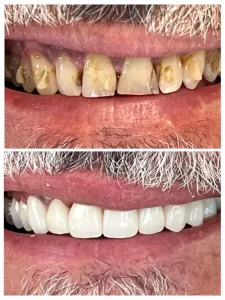
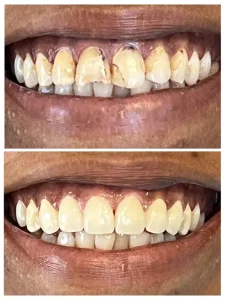
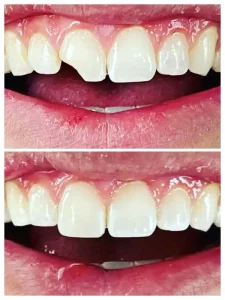
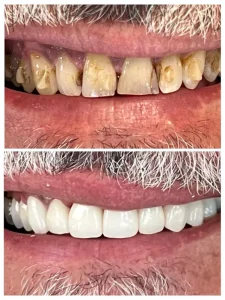
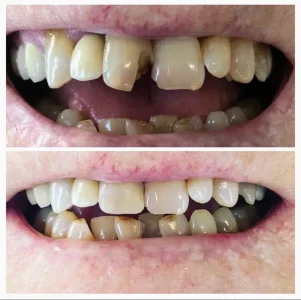
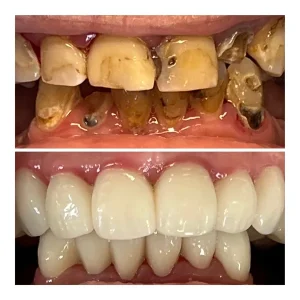
These photos show cosmetic veneer cases by Dr. Diamond, rather than examples of every treatment discussed on this page. Results vary by patient. Learn about veneers.
Exams, cleanings, fillings and restorative treatment are coordinated by one dental team.
Regular visits help find decay, gum disease and bite concerns before they become larger problems.
Recommendations are prioritized around your health, comfort and budget.
These answers explain common decisions about care. Your examination and health history determine the recommendations for your individual needs.
No. Explain your concern and request an examination. The findings help determine which treatment, if any, is appropriate.
No. An examination assesses oral health; a cleaning removes deposits. Gum findings help determine which type of cleaning is suitable and whether separate appointments are needed.
Yes. Bring the recommendation and ask about transferring relevant records. Dr. Diamond evaluates your current condition before discussing options.
The first visit establishes the findings and plan. Treatment timing depends on the concern, appointment availability, and the steps required.
A referral may be recommended when the complexity of your condition calls for specialist assessment or treatment. The office explains how that fits into your care plan.
Yes. Explain your situation when you call and ask what records and appointment arrangements are needed to start care.
Tell the office about every concern you want looked at. The examination can cover them, but how much treatment is discussed or done at that visit depends on the findings and the time booked.
Call the office and explain which tooth is involved and when the change started. Do not assume it will resolve on its own.