

Restorative dentistry repairs damaged teeth or replaces missing teeth so you can use and care for your mouth. The right option depends on what remains of the tooth, the health of the supporting tissues, your bite, and your goals.
At Diamond Dental, an examination comes before a recommendation. This overview helps you compare options; the linked treatment pages explain individual procedures in more detail.
A tooth with decay or a broken filling may be repairable. The dentist examines the extent of the damage, checks the surrounding tissue, and considers whether the tooth can support a lasting restoration. Pain or nerve involvement may change the sequence of treatment.
Signs a tooth may need repair include sensitivity to cold or sweets, a twinge when you bite down, a rough or sharp edge your tongue keeps finding, food catching in the same spot, or a dark area on the tooth. Small problems are usually simpler to fix, so these are worth having checked before they start to hurt.
When a tooth cannot be saved, extraction assessment and replacement planning are considered together. A missing tooth does not automatically mean one particular replacement is best.
Why a gap is worth planning for: over time, neighboring teeth can tip into the space and the opposing tooth can drift toward it, which changes your bite and makes those teeth harder to clean. Chewing may shift to one side, and the bone where the tooth was tends to shrink. Discussing replacement early keeps more options open.

Fillings repair smaller areas while preserving remaining tooth structure. Crowns cover a tooth that needs more support; they may follow root canal treatment when appropriate.
Bridges replace a gap with support from adjacent teeth or other planned supports. Implant options depend on the condition of the site, gum health, and bone support. Dentures may replace several teeth. Ask how each option affects nearby teeth, cleaning, treatment visits, and maintenance.
Fixed or removable? Fillings, crowns, bridges and implant-supported teeth stay in place and are cleaned like natural teeth. Dentures come out for cleaning and overnight, and are often the most practical way to replace many teeth at once. A traditional bridge typically involves shaping the teeth on either side of the gap; an implant replaces the tooth on its own without involving its neighbors, but takes longer from start to finish. Your plan sets out these trade-offs for your mouth, so you can weigh comfort, timing and cost together.
Recommendations for restorative dentistry at Diamond Dental begin with an examination and a conversation about the patient’s goals. Dr. Barry Diamond evaluates decay, cracks, missing tooth structure, bite forces, gum health, and the condition of nearby teeth before recommending treatment. This helps restore function while preserving healthy tooth structure whenever possible, without assuming that every patient needs the same procedure.
Dr. Diamond earned his Doctor of Dental Surgery degree from the University of Maryland and completed an Advanced Education in General Dentistry program. That background supports comprehensive treatment planning, coordination between preventive, restorative, and cosmetic needs, and a clear discussion of alternatives. Before care begins, patients receive an explanation of the proposed sequence, expected maintenance, and considerations specific to their health history.

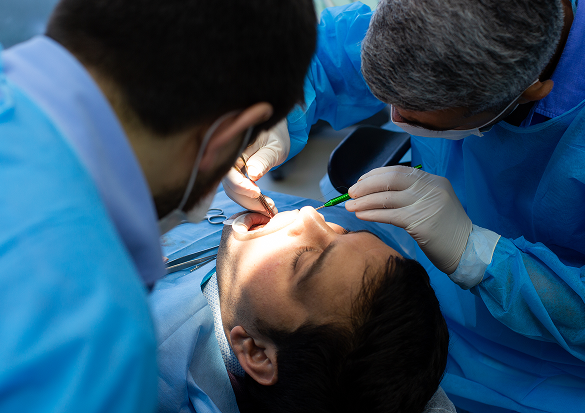
Your plan explains whether disease or gum problems need attention first, how the tooth will be restored, and whether temporary ca