Gum disease affects nearly half of adults over 30, yet many people don’t realize they have it until symptoms become uncomfortable. Professional gum disease treatment focuses on removing bacteria, reducing inflammation, and helping your gums heal to prevent tooth loss and serious health complications.
At Diamond Dental, Dr. Barry Diamond creates personalized treatment plans that address your specific condition, whether you’re dealing with gingivitis or more advanced periodontitis. Early detection and proper treatment can make all the difference in preserving your oral health.
The goal of gum disease treatment isn’t just to stop the infection – it’s to restore healthy gum tissue, eliminate bad breath, and protect your teeth for the long term. With proper treatment and ongoing care, most patients see significant improvement in their gum health within weeks.
Gum disease starts when plaque buildup along the gumline creates an environment where harmful bacteria can thrive. These bacteria produce toxins that irritate and inflame your gum tissues, leading to the red, swollen, and bleeding gums that are often the first signs of trouble.
Left untreated, the infection progresses deeper, creating pockets between your teeth and gums where more bacteria can hide. Eventually, the infection can destroy the tissues and bone that support your teeth, leading to tooth loss and potentially affecting your overall health.
Many people don’t realize how connected oral health is to overall wellness. The same bacteria that cause gum disease can enter your bloodstream and contribute to other health problems, making professional treatment even more important for your long-term well-being.
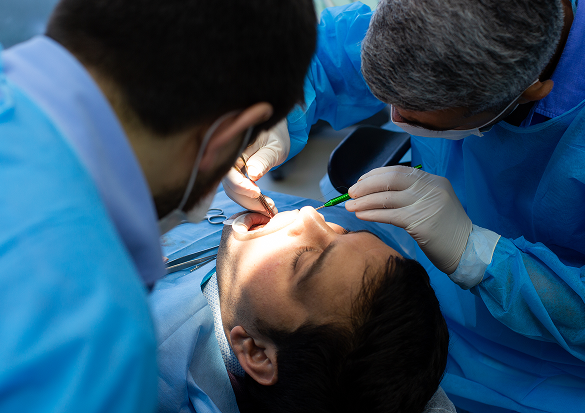
When gum disease has affected the tissues supporting the teeth, scaling and root planing may be recommended to remove deposits below the gumline. Local anesthesia can be used for comfort. The number of visits depends on the areas involved and the treatment plan.
Why a deep cleaning works. Gum disease creates pockets between the gums and teeth where bacteria and hardened deposits collect, out of reach of a toothbrush or a routine cleaning. Scaling removes those deposits from the root surfaces, and root planing smooths the roots so bacteria have less to cling to. With the source of the inflammation gone, the gums can heal and tighten, and the pockets often get shallower.
Response varies with disease severity, general health, smoking and home care. Reassessment and ongoing maintenance help the team judge progress; treatment does not guarantee a fixed healing time. Complex disease may require referral to a periodontist. Our periodontal care overview explains the assessment and referral decisions.
Recommendations for gum-disease treatment at Diamond Dental begin with an examination and a conversation about the patient’s goals. Dr. Barry Diamond evaluates bleeding, inflammation, pocket depths, recession, bone levels, home care, and systemic risk factors before recommending treatment. This helps reduce bacterial inflammation and preserve the foundation around the teeth, without assuming that every patient needs the same procedure.
Dr. Diamond earned his Doctor of Dental Surgery degree from the University of Maryland and completed an Advanced Education in General Dentistry program. That background supports comprehensive treatment planning, coordination between preventive, restorative, and cosmetic needs, and a clear discussion of alternatives. Before care begins, patients receive an explanation of the proposed sequence, expected maintenance, and considerations specific to their health history.
The team records periodontal measurements and reviews appropriate imaging. Recommendations are based on severity and may include improved home care, nonsurgical treatment, maintenance, or referral for advanced periodontal needs.
If gums have receded. Once the disease is under control, a gum graft can cover roots left exposed by recession. Gum grafting is done here at Diamond Dental; see gum health and periodontal care. Healthy gums also matter before any crown; if you ever need one, it’s planned from a quick iTero 3D scan instead of messy impressions.
Before treatment, the team reviews expected timing, comfort options, alternatives, fees, and follow-up needs that apply to the individual plan. After care, patients receive practical home-care instructions and a schedule for reassessment or maintenance.
The days after a deep cleaning. Gums may be tender and teeth sensitive to cold for a few days; this usually eases as the gums heal. Brush gently but don’t skip the treated areas, as keeping them clean is what lets them heal. Avoid smoking, which slows healing and is one of the strongest risk factors for gum disease returning.
Keeping it under control. Maintenance cleanings, often every three to four months, keep bacteria from rebuilding below the gumline. Daily cleaning between the teeth matters most; small interdental brushes often reach gum pockets better than floss. The In-House Savings Plan has a periodontal option with a discount on deep cleaning; see payment options.
Mention bleeding, tenderness, gums that look like they are pulling back, or a tooth that feels loose or different, even if nothing hurts. An absence of pain does not show what is happening below the gumline. Also mention any previous gum treatment, with the approximate dates and provider, and recent changes in your medication or health.
An examination with pocket measurements decides which type of preventive or periodontal care to discuss. Ask how the findings will be monitored and what home care is recommended. Gum health also matters for other treatment: implants, crowns and cosmetic work depend on healthy supporting tissue, so a cosmetic goal should not push a gum concern aside.
A new great experience. My hygienist, Sarah, was knowledgeable, and all around good.
Excellent service!!! Dr. Barry and staff were very warm, patient and kind. I would definitely recommend for the whole family!
Very helpful and courteous staff. Dr. Diamond really helped save the day for me!A positive dental test experience all around!
Great experience, and pleasant staff. I looked everywhere for an office that can accommodate a wheelchair and I found Diamond Dental. Pain free. Highly recommend.
The staff and the dentist were the best I have ever experienced. Sarah was excellent and they were patient with me. I appreciate their support and professionalism.
Excellent service
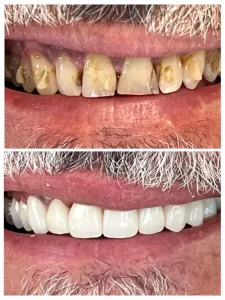
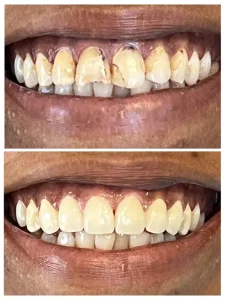
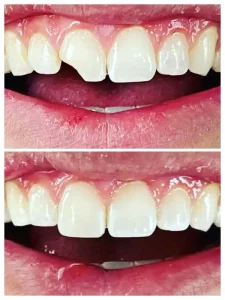
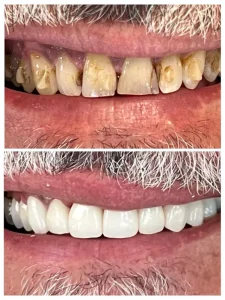
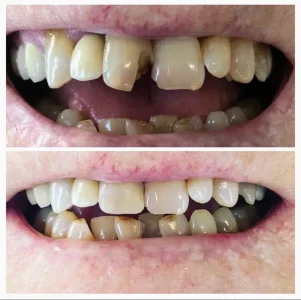
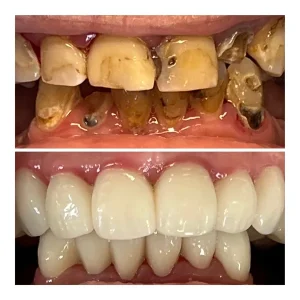
The gallery shows cosmetic veneer cases, rather than examples of every treatment on this page. Results vary by patient. Learn about veneers.
Scaling and root planing removes deposits below the gumline when routine cleaning is not enough.
Treatment targets bleeding, swelling and the bacteria contributing to periodontal disease.
Personalized recall visits help protect gum health and slow future progression.
These answers address common questions about gum-disease treatment, including evaluation, timing, comfort, alternatives, and maintenance. They provide general information only; an examination is necessary to determine what is appropriate for an individual patient.
Bleeding, swelling, persistent bad breath, recession or loose teeth should be checked. Gum disease may also develop without obvious pain. An examination and periodontal measurements help establish the problem.
This nonsurgical treatment removes deposits from below the gumline and cleans affected root surfaces. It differs from a routine cleaning and is recommended according to the examination and gum measurements.
Local anesthesia can be used during treatment. Tenderness or sensitivity can occur afterward. Follow the instructions for your case and contact the office about symptoms that worsen or concern you.
The team reassesses signs such as bleeding, pocket depths and home-care effectiveness. Improvement and follow-up timing vary; there is no single healing deadline for every patient.
Periodontal maintenance and daily cleaning are important after treatment. Advanced or persistent disease may need specialist assessment. See gum health and periodontal care for the broader care pathway.
Yes. Explain when it happens and how long you have noticed it. Gum disease is often painless in its early stages.
It can affect treatment planning. Tell Dr. Diamond about both interests so the plan accounts for the condition of the supporting tissues.