

A custom nightguard separates the upper and lower teeth to help protect them from wear caused by grinding or clenching. It is made to fit your mouth and checked against your bite. A guard does not necessarily stop the grinding habit or treat every cause of jaw pain.
Dr. Barry Diamond examines tooth wear, restorations and jaw symptoms before recommending an appliance. Tell the team about headaches, changes in sleep or an existing guard so these can be considered in the assessment.
Grinding and clenching can contribute to worn or cracked teeth and discomfort in the jaw muscles. Symptoms can have several causes, so a checkup is useful even if you are unsure whether you grind. Persistent pain or sleep-related concerns may need additional assessment or referral.
Signs you may be grinding at night:
Stress, caffeine, alcohol and some medications are commonly linked with grinding. If you also snore loudly or wake up gasping, mention it to your physician, because grinding sometimes occurs alongside sleep-related breathing problems.
Dr. Diamond earned his DDS from the University of Maryland and completed an Advanced Education in General Dentistry program. Learn more about his background and approach to care.

A custom guard is designed around records of your teeth and bite. The iTero Element 5D scanner can provide a digital impression of tooth surfaces; the finished appliance still needs a fitting and bite check.
The aim is to protect teeth and restorations from damaging contact. Comfort and symptom changes vary, and relief is not guaranteed or necessarily immediate. If the guard feels painful, becomes loose or changes your bite, contact the office for review rather than adjusting it yourself.
Custom or store-bought? Over-the-counter boil-and-bite guards are shaped by biting into softened plastic. They tend to be bulky, can loosen as you sleep, and some people find they chew on them. A custom guard is made from a precise record of your teeth, so it is typically thinner and more stable, and your bite is checked against it. That fit is what makes it comfortable enough to wear every night, which is where the protection comes from.
Recommendations for custom dental nightguards at Diamond Dental begin with an examination and a conversation about the patient’s goals. Dr. Barry Diamond evaluates wear patterns, fractures, jaw symptoms, bite, existing restorations, and possible sleep-related concerns before recommending treatment. This helps protect teeth and restorations from damaging forces when a guard is appropriate, without assuming that every patient needs the same procedure.
Dr. Diamond earned his Doctor of Dental Surgery degree from the University of Maryland and completed an Advanced Education in General Dentistry program. That background supports comprehensive treatment planning, coordination between preventive, restorative, and cosmetic needs, and a clear discussion of alternatives. Before care begins, patients receive an explanation of the proposed sequence, expected maintenance, and considerations specific to their health history.

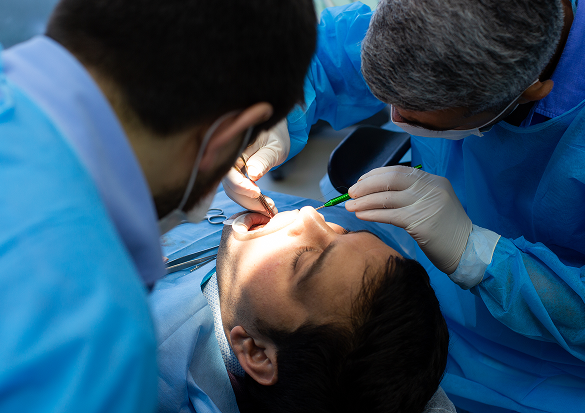
The team examines the teeth and jaw before recommending an appliance. A custom record or scan is used to make the guard, followed by a fit and bite check plus instructions for cleaning and replacement.
Before treatment, the team reviews expected timing, comfort options, alternatives, fees, and follow-up needs that apply to the individual plan. After care, patients receive p