

Oral surgery encompasses a range of procedures that address issues affecting your teeth, gums, jaw, and surrounding tissues. Common reasons patients need these services include impacted wisdom teeth, difficult tooth extractions, jaw alignment problems, or treatment of infections that don’t respond to routine care.
At Diamond Dental, we understand that oral surgery can feel overwhelming, which is why we focus on clear communication about what to expect and how to prepare. Our goal is to make necessary procedures as comfortable as possible while ensuring the best possible outcomes for your long-term oral health.
Whether you’re dealing with an urgent situation like severe tooth pain or planning ahead for wisdom tooth removal, having access to skilled surgical care in a familiar setting can make all the difference in your experience and recovery.
Many dental problems that seem minor at first can develop into situations requiring surgical intervention. Wisdom teeth that don’t have enough room to emerge properly, teeth damaged beyond what fillings or crowns can repair, or infections that have spread beyond the tooth root are common examples of when oral surgery becomes the best treatment option.
The key to successful outcomes is addressing these issues before they become more complex or painful. Early intervention often means simpler procedures, shorter recovery times, and better preservation of your surrounding teeth and tissues.
Understanding what qualifies as oral surgery helps patients make informed decisions about their care. These procedures range from routine tooth extractions to more involved treatments that require specialized techniques and careful post-operative management.
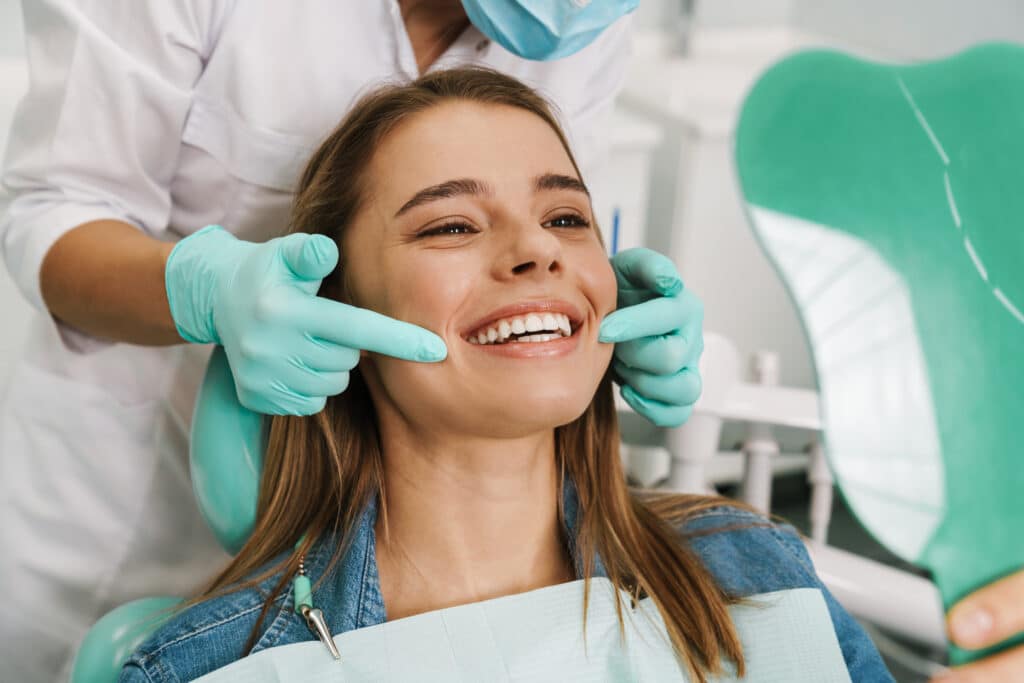
Today’s oral surgery techniques are designed to minimize discomfort and promote faster healing compared to methods used in the past. Advanced anesthetic techniques ensure you remain comfortable throughout the procedure, while improved surgical instruments allow for more precise treatment with less trauma to surrounding tissues.
Many procedures can now be completed in a single appointment, which means fewer visits and less disruption to your schedule. Digital imaging helps plan treatment more accurately, reducing the chance of complications and improving the predictability of your results.
Post-operative care has also improved significantly, with better pain management strategies and clearer instructions for home care. Most patients find that recovery is more manageable than they expected, especially when they follow their post-operative instructions carefully.
Dr. Barry Diamond earned his Doctorate of Dental Surgery from the University of Maryland and completed their Advanced Education in General Dentistry program, which included extensive training in minor oral surgery procedures. This additional education provides the expertise needed to handle complex extractions and other surgical procedures safely and effectively.
Our practice utilizes the iTero Element 5D scanner for precise treatment planning and diagnosis, along with modern surgical techniques that prioritize patient comfort. Dr. Diamond has been featured on PBS Forum 360 discussing how digital dentistry innovations improve patient outcomes and reduce treatment time.
The philosophy at Diamond Dental emphasizes honest communication about surgical procedures, including realistic expectations for recovery and long-term results. We take time to explain why surgery is recommended, what alternatives exist, and how to achieve the best possible outcome for your situation.
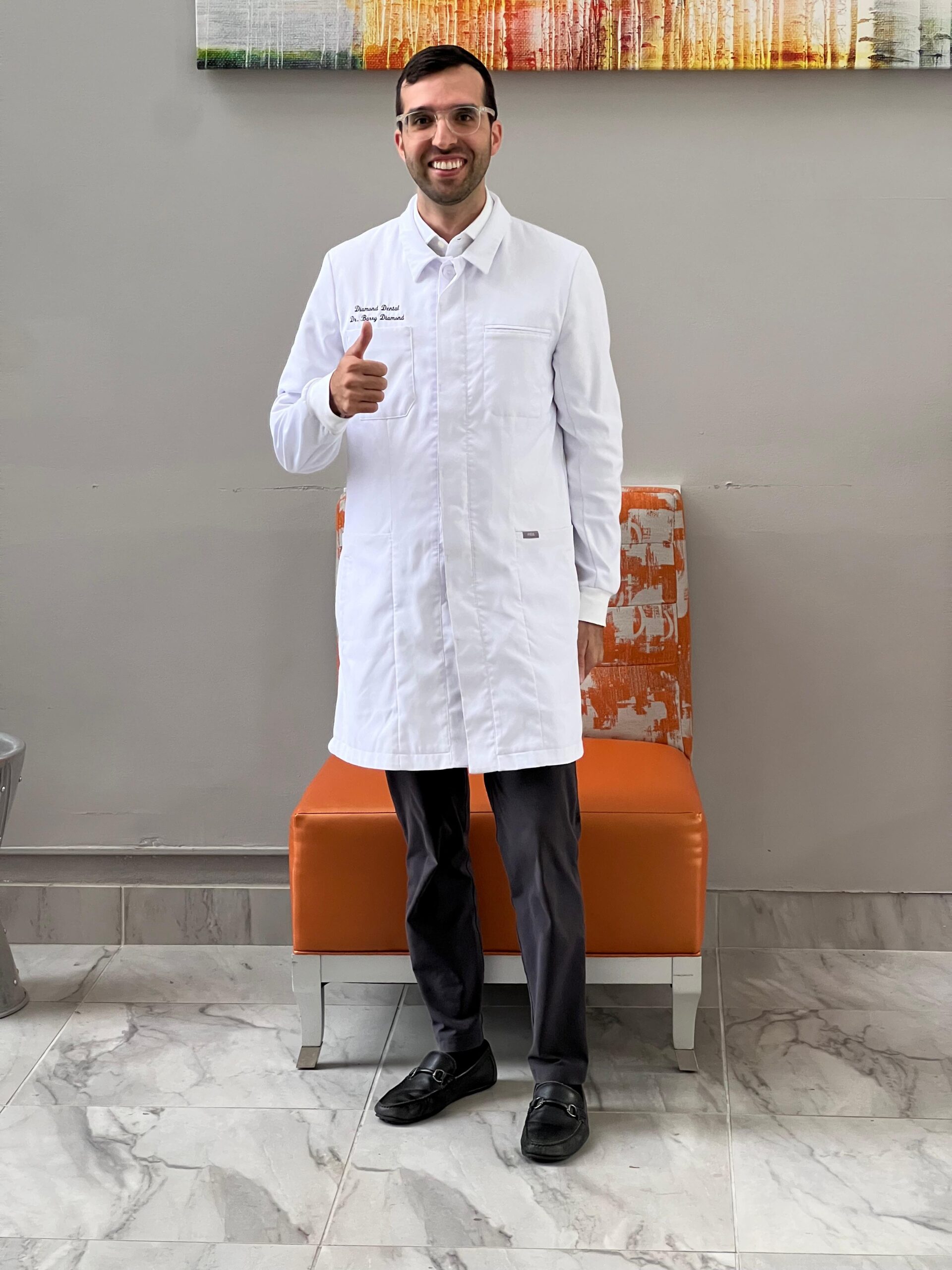
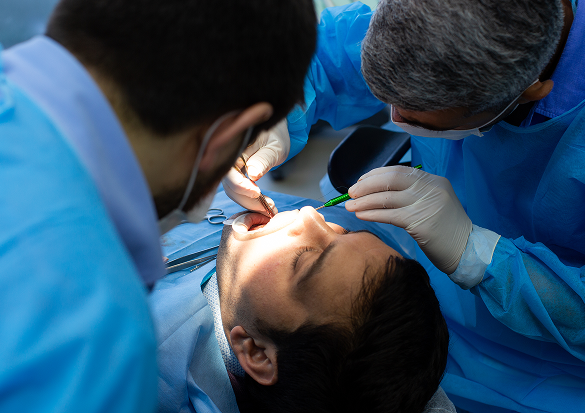
Your surgical experience begins with a thorough consultation where we review your medical history, current symptoms, and treatment options. We’ll use digital imaging when necessary to assess the area and plan your procedure, ensuring you understand exactly what will happen and how to prepare.
On the day of your surgery, we’ll review the procedure once more and ensure you’re comfortable with the anesthesia method selected for your case. Most minor oral surgery procedures take 30 minutes to an hour, depending on complexity, and can be performed using local anesthesia.
After your procedure, we provide detailed post-operative instructions and schedule any necessary follow-up appointments. We’re available to answer questions during your recovery and want to ensure you feel supported throughout the healing process.
Posted onTrustindex verifies that the original source of the review is Google. Excellent all the way around. Took time to explain my options and walked me through the process comprehensively.Posted onTrustindex verifies that the original source of the review is Google. Dr. Diamond!? This is the BEST dental practice in the entire Northeast, Ohio. I cannot STRESS how amazing this practice. I pay out of pocket and I will GLADY spend my money here. This is not my neighborhood dentist - I drive about 20 minutes to be a patient here. 1. I came to this practice after not having dental care for a few years after having my son. I like to tell this story because life happens and I know someone else may be in a similar situation. I was VERY anxious about finally getting my dental health back in order. 2. From the FIRST visit, Dr. Diamond made me feel SO comfortable. I thought I had ruined my teeth but they were not as bad. He was VERY encouraging and explained to me how I would get my dental health back on track. Dr. Diamond is just the sweetest soul. He REALLY cares about his patients. I am so blessed to have him as my dentist. He really gives you options when it comes to your dental health and let's you do what you are comfortable with. I prefer to get my deep cleanings by quadrant and he has kept it that way. 3. Sarah the Hygienist. She has made a life changing impact on the way I view dental care. This is the first time in my life that I am excited going to the dental office and getting a deep cleaning/perio cleaning. Sarah is so sweet and it is like going to see close family. By the time we are done catching up, the deep cleaning is done. She has also given me really good advice on getting my teeth where I want them; both health vise and visually. 4. I have some sensory sensitivities when it comes to the sound of the electronic dental tools and I left my AirPods in my car for this visit. Dr. Diamond literally brought out bluetooth noise cancelling headphones. Like, come on! 5. My son who is almost 6 years old also moved over to this practice and loves it here. Everyone is so friendly and Dr. Diamond always tells him how good his teeth look as he has no cavities (very encouraging for him). I do not gain anything from writing this review. If you really want QUALITY dental care, this is the dental office where you need to establish care.Posted onTrustindex verifies that the original source of the review is Google. Fantastic experience. Really thorough cleaning that was super gentle. The folks involved in scheduling have been incredibly friendly and responsive.Posted onTrustindex verifies that the original source of the review is Google. I had an amazing experience. Very friendly and attentive staff!!!Posted onTrustindex verifies that the original source of the review is Google. I’ve been coming here for the past month for two crowns and a filling, and honestly this place is on another level. From the front desk to the chair, everything is smooth. The receptionist always greets me with a smile and makes check-in quick and easy. And Dr. Barry? Man, he’s the LeBron James of molars. Precise, confident, and makes you feel like you’re in championship hands every visit. Never rushed, explains everything, and the work is solid — I walked out of every appointment feeling taken care of. If you want a dentist who actually cares and a team that makes you feel comfortable, this is it. Definitely recommend.Posted onTrustindex verifies that the original source of the review is Google. Dr. Diamond is an exceptional Dentist. He took the time to explain everything in detail before the procedure, making sure I fully understood what to expect. Highly recommended .Posted onTrustindex verifies that the original source of the review is Google. I’m not joking. I’m literally so happy that I met this doctor. So gentle and explain everything nice and clear thank you very much. I really appreciate you guys.Posted onTrustindex verifies that the original source of the review is Google. This was my first visit to diamond dental as well as my first appointment in just over 10 years. I felt very welcomed and the staff was very friendly and knowledgeable and made me feel at home. I highly recommend!Posted onTrustindex verifies that the original source of the review is Google. Very efficient and professional! They are accommodating and always do the best quality work!Posted onTrustindex verifies that the original source of the review is Google. Going to Diamond Dental is like spending time with friends or family members that you really like and love. When you enter the office you are acknowledged and immediately greeted with a salutation-hello and smile. If someone is on the phone, you still receive a smile and a wave to greet you. All of the Practitioners provide knowledgeable care with a friendly greeting and seem happy to see you. Dr Diamond welcomes you with a big warm smile and takes time to chat and review the reasons for your visit and provides explanations of care/treatments. The experience never seems rushed. They never seem impatient. Diamond Dental provides excellent customer service and customer satisfaction.Verified by TrustindexTrustindex verified badge is the Universal Symbol of Trust. Only the greatest companies can get the verified badge who has a review score above 4.5, based on customer reviews over the past 12 months. Read more


Knowing what to expect before your oral surgery helps you feel more confident and prepared for your treatment. Many people have similar concerns about surgical procedures, and having clear answers helps reduce anxiety about the unknown.
We’ve answered the most common questions patients ask about oral surgery. If you have additional concerns specific to your situation, please bring them up during your consultation so you have all the information you need.
Healing time depends on the complexity of your procedure and your body’s natural healing ability. Most people notice significant improvement within the first week, with initial tissue healing occurring within 7-10 days. Complete healing of the surgical site typically takes several weeks to a few months, but you should be able to return to your normal routine within a few days to a week after surgery.
We handle a wide range of surgical procedures including simple and complex tooth extractions, wisdom teeth removal, treatment of oral infections and abscesses, removal of cysts or unusual tissue growths, and preparation of sites for dental implants. Each procedure is performed using modern techniques designed to minimize discomfort and promote rapid healing.
While some discomfort is normal after oral surgery, modern pain management techniques help keep you comfortable during recovery. Most patients find that over-the-counter pain relievers or prescribed medications effectively manage any discomfort. The level of post-operative pain varies based on the procedure performed, but we provide detailed instructions and medications to help you heal comfortably.
Preparation depends on your specific procedure and whether sedation will be used. Generally, you should arrange for someone to drive you home, follow any pre-operative instructions regarding food and medications, and wear comfortable clothing. If sedation is involved, you’ll need to avoid eating or drinking for a specified time before your appointment. We’ll provide you with detailed preparation instructions tailored to your procedure.
Like any surgical procedure, oral surgery carries some potential risks including bleeding, infection, temporary numbness, or dry socket formation. However, serious complications are uncommon when procedures are performed by experienced professionals using proper techniques. We thoroughly discuss any risks specific to your procedure during your consultation and take every precaution to ensure your safety and successful outcome.