


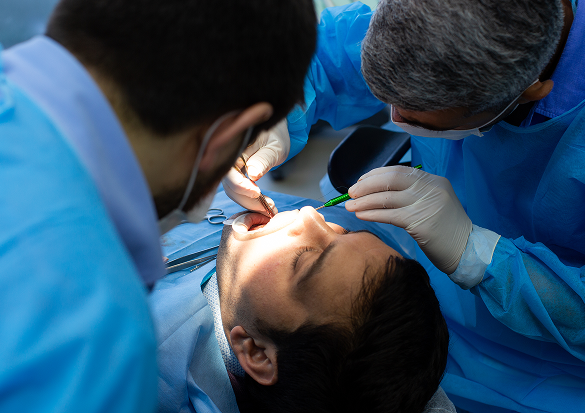
Restore Your Smile with Expert Cavity Treatment

Dental fillings are essential restorative procedures designed to repair teeth damaged by decay, cracks, or wear. When tooth enamel is compromised, fillings restore both function and integrity, preventing further decay and tooth loss. This treatment is necessary when bacteria penetrate the enamel and create cavities that can reach the inner pulp and nerve.

Patients typically need fillings when experiencing persistent sensitivity to hot, cold, or sweet foods, visible holes or dark spots, sharp pain when biting, or decay found during examinations. Modern fillings come in various materials—composite resin, amalgam, porcelain, and gold—each offering different benefits in durability, aesthetics, and cost. The procedure removes decay and fills the space with durable material, restoring your tooth’s natural shape and function for comfortable eating and confident smiling.

Why Prompt Treatment Matters for Tooth Decay

Prompt cavity treatment is crucial for maintaining oral health and preventing costly procedures. Tooth decay is progressive and doesn’t improve on its own—once bacteria breach the enamel, damage only worsens without intervention. What begins as small demineralization can rapidly expand deeper into the tooth structure, potentially reaching the pulp chamber where nerves and blood vessels reside.

Ignoring cavities leads to severe toothaches, infections, abscesses requiring emergency treatment, and tooth loss affecting chewing ability and adjacent teeth. Financially, a simple one-appointment filling may escalate to root canal therapy, crowns, or dental implants. Beyond physical and financial concerns, decay affects quality of life—interfering with eating, sleep, work productivity, and social confidence. Early intervention preserves natural tooth structure, protects wellbeing, prevents decay spread, and maintains proper bite alignment.

Schedule Appointment

Get in touch

First Name(Required)

The Advantages of Modern Tooth Restoration

Tooth-colored composite fillings offer advantages enhancing both appearance and functionality. Unlike silver amalgam fillings that stand out conspicuously, composite resin is color-matched to your natural tooth shade, creating virtually invisible restorations. This aesthetic benefit is particularly valuable for visible front teeth or maintaining a natural smile without metallic appearance.

Modern composite fillings bond directly to tooth structure through sophisticated adhesive processes, creating tight seals preventing bacteria entry and secondary decay. This bonding allows conservative tooth preparation—less healthy structure removed compared to amalgam fillings requiring mechanical retention. Composite fillings effectively repair small to medium cavities, restore chipped or worn teeth, close minor gaps, and reshape slightly misaligned teeth. The material withstands normal chewing forces while remaining flexible, reducing fracture risk. Additionally, composite fillings are mercury-free, and with proper care can last many years.

Clinical Evaluation and Personalized Dental Fillings Planning

Recommendations for dental fillings at Diamond Dental begin with an examination and a conversation about the patient’s goals. Dr. Barry Diamond evaluates decay depth, cracks, remaining tooth structure, symptoms, bite forces, and the condition of adjacent teeth before recommending treatment. This helps remove disease and restore the tooth with a conservative, maintainable repair, without assuming that every patient needs the same procedure.

Dr. Diamond earned his Doctor of Dental Surgery degree from the University of Maryland and completed an Advanced Education in General Dentistry program. That background supports comprehensive treatment planning, coordination between preventive, restorative, and cosmetic needs, and a clear discussion of alternatives. Before care begins, patients receive an explanation of the proposed sequence, expected maintenance, and considerations specific to their health history.

What to Expect from Dental Fillings at Diamond Dental

The team confirms the diagnosis and explains the restorative material and expected extent of treatment. After decay is removed, the filling is shaped, polished, and checked so the bite feels comfortable.

Before treatment, the team reviews expected timing, comfort options, alternatives, fees, and follow-up needs that apply to the individual plan. After care, patients receive practical home-care instructions and a schedule for reassessment or maintenance.

What Our Patients Are Saying

5.0★★★★★408 reviewsWrite a review
★★★★★June 2026

Amazing service and staff

★★★★★September 2026

Dr Diamond is gentle, caring, precise and thorough. Truly an incredible dentist. The office staff are also friendly, helpful and organized, and accommodating. Thank you all! Highly recommend.

★★★★★August 2026

Had a great experience! They were very accommodating for an emergency appointment. Dr diamond and his hygienist were a great team, were very caring and made sure to explain everything and followed up afterward.

★★★★★August 2026

In and out for a filling

★★★★★August 2026

Excellent patient care, easy to make appointment.

★★★★★August 2026

I had a great experience with my dentist. He was very patient, professional, and did an excellent job. The staff was also very friendly and welcoming. I’m very happy with the care I received and would definitely recommend this dental office!

Smile Transformations: Before and After

Tooth-Colored Repair

Composite material restores the damaged area while blending with your natural tooth.

Preserve Healthy Structure

Only the decayed or compromised portion is prepared before the tooth is rebuilt.

Often Completed in One Visit

Many routine fillings can be diagnosed, treated and polished in a single appointment.

Essential FAQs About Dental Fillings

These answers address common questions about dental fillings, including evaluation, timing, comfort, alternatives, and maintenance. They provide general information only; an examination is necessary to determine what is appropriate for an individual patient.

How long do dental fillings last before I need to replace them?

Filling longevity depends on material and oral care habits. Composite resin typically lasts 5-10 years, amalgam 10-15 years, while gold and porcelain can last 15+ years with proper maintenance. Factors influencing lifespan include filling size and location, chewing forces, oral hygiene practices, and teeth grinding habits. Molars bearing heavy chewing forces may wear faster than front teeth. To maximize filling life, maintain excellent hygiene with twice-daily brushing and daily flossing, attend six-month checkups for early issue detection, avoid chewing hard objects like ice, and consider a nightguard if you grind teeth. Regular examinations allow monitoring for wear, cracks, or gaps where bacteria could enter.

Diamond Dental offers several filling materials with distinct advantages. Composite resin fillings are tooth-colored, blending seamlessly with natural teeth, ideal for visible areas. They bond directly to tooth structure, allowing conservative preparation preserving more natural tooth. Amalgam fillings are silver-colored metal mixtures—extremely durable and cost-effective for molars enduring heavy chewing, though less popular for visible teeth. Porcelain fillings (inlays/onlays) are custom laboratory-made, offering exceptional durability and stain resistance for larger restorations. Gold fillings are most durable, lasting 8+ years and well-tolerated by gums, but cost and appearance make them less common. The best choice depends on cavity location and size, budget, aesthetic preferences, and metal sensitivities.

Dental fillings generally aren’t painful with modern anesthetics. Local anesthesia completely numbs the tooth and surrounding tissue before beginning, ensuring no pain during treatment. You may feel slight pinch during injection, followed by tingling as numbness sets in. Throughout the procedure, you should only feel pressure and vibration, not sharp pain. Additional anesthetic can be administered if needed. After the procedure, as anesthesia wears off over 2-4 hours, some experience mild sensitivity or tenderness, particularly with hot or cold foods. This normal post-treatment sensitivity typically subsides within days to two weeks as the tooth adjusts. Over-the-counter pain relievers effectively manage discomfort during this period.

The filling procedure follows a systematic process for thoroughness and comfort. After seating, the area is isolated and local anesthesia administered. Once numb (5-10 minutes), decayed tooth portions are removed using drill or laser with water spray cooling and cleaning. The cavity is thoroughly disinfected. For composite fillings, tooth surface is prepared with conditioning gel helping material bond. Composite resin is applied in thin layers, each hardened using blue curing light taking just seconds. This layering ensures strength and proper adaptation. After placement, filling is shaped to match natural contours and bite is checked—any high spots adjusted for natural, comfortable bite. Finally, filling is polished smooth. The 45-60 minute appointment allows immediate return to normal activities, though wait until anesthesia wears off before eating.

After receiving a filling, wait at least two hours before eating to avoid biting your numb cheek, tongue, or lip. Once numbness subsides, eat cautiously for 24 hours while filling sets and mouth adjusts. Soft foods are recommended—yogurt, scrambled eggs, soup, mashed potatoes, pasta, smoothies, oatmeal, and soft fruits. Avoid extremely hot or cold foods for the first few days due to temporary sensitivity. Also avoid hard, crunchy, or sticky foods like nuts, hard candy, ice, popcorn, caramel, and chewy candies. For composite fillings hardening immediately under curing light, dietary restrictions are minimal. Maintain normal oral hygiene, brushing gently around the filled tooth. Some temperature sensitivity is normal for days to two weeks—this doesn’t mean failure, but nerve adjustment. If sensitivity persists beyond two weeks or worsens, contact the office for evaluation.

Discuss Dental Fillings with Dr. Barry Diamond