Preventive care aims to reduce avoidable tooth and gum problems and identify changes early. Your plan should reflect your cavity risk, gum condition, medical history, and the care you can maintain at home.
At Diamond Dental, prevention includes dental examinations, cleanings, and discussion of measures such as fluoride treatment and sealants when appropriate. It does not mean the same schedule or treatments for every patient.
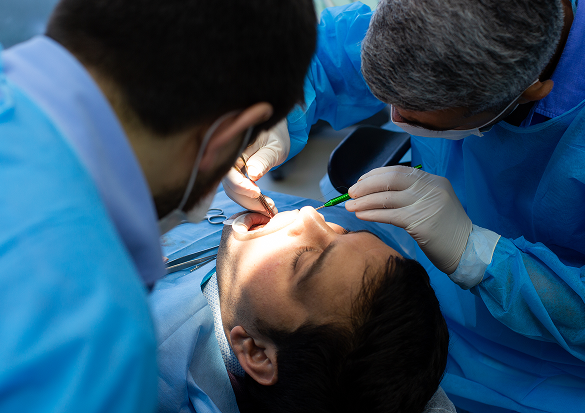
The dentist checks for decay, gum inflammation, changes around restorations, and signs of tooth wear. Discuss sensitivity, bleeding gums, dry mouth, and changes in medication or health, even if they seem minor. X-rays are recommended when the history and examination indicate a need.
The exam typically also looks beyond the teeth, at the tongue, cheeks, palate and throat, for sores or patches that need watching. Gum pockets are measured, and your bite is checked for wear from clenching or grinding.
Why this matters: early cavities and gum disease rarely hurt. By the time a tooth aches, a small filling may have become a crown or a root canal. Finding problems while they are small keeps treatment simpler and costs lower.
A routine cleaning removes plaque and hardened deposits. If gum measurements show a need for deeper treatment, the plan may differ from a standard cleaning; see gum health and periodontal care.

Fluoride can help protect enamel against decay; your dentist considers cavity history and other risk factors. Sealants cover suitable chewing grooves where food and plaque can collect. The condition of the tooth determines whether a sealant is appropriate.
Home care includes brushing with fluoride toothpaste and cleaning between teeth. Ask for guidance around bridges, implants, braces, or other areas that are difficult to clean. Grinding concerns may warrant an assessment for a nightguard; an appliance does not replace an evaluation of tooth wear or jaw symptoms.
Diet and dry mouth matter as much as brushing. How often you snack or sip sugary or acidic drinks, such as soda, sports drinks, juice or sweetened coffee, affects cavity risk more than the total amount, because each sip restarts the acid attack on enamel. Water between meals and sugar-free gum help. Many common medications reduce saliva, which raises cavity risk; mention a dry mouth so it can be planned for.
Recommendations for preventive dentistry at Diamond Dental begin with an examination and a conversation about the patient’s goals. Dr. Barry Diamond evaluates cavity and gum-disease risk, home-care habits, diet, fluoride exposure, tooth wear, and previous dental history before recommending treatment. This helps reduce avoidable disease through care matched to individual risk, without assuming that every patient needs the same procedure.
Dr. Diamond earned his Doctor of Dental Surgery degree from the University of Maryland and completed an Advanced Education in General Dentistry program. That background supports comprehensive treatment planning, coordination between preventive, restorative, and cosmetic needs, and a clear discussion of alternatives. Before care begins, patients receive an explanation of the proposed sequence, expected maintenance, and considerations specific to their health history.