

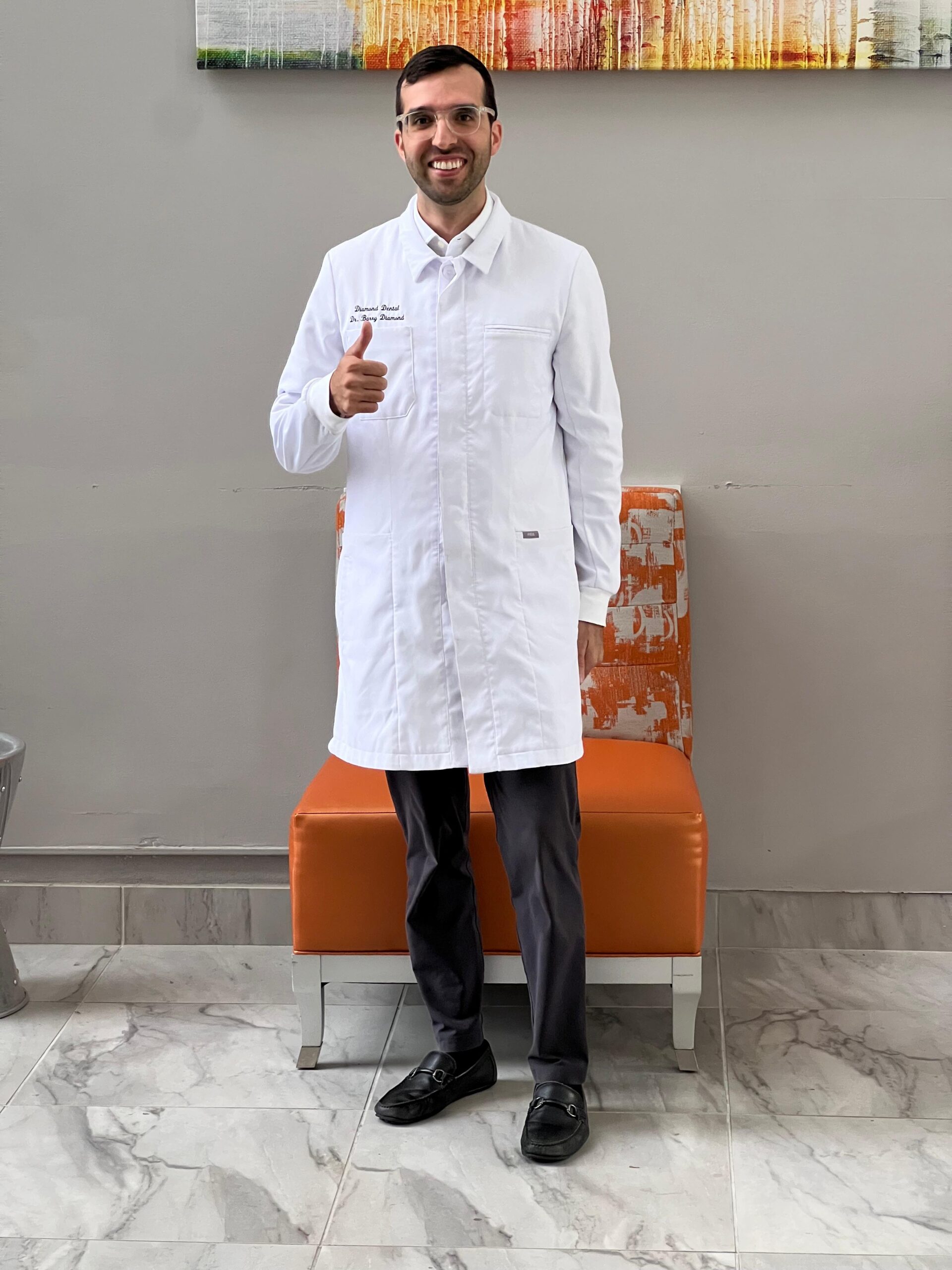
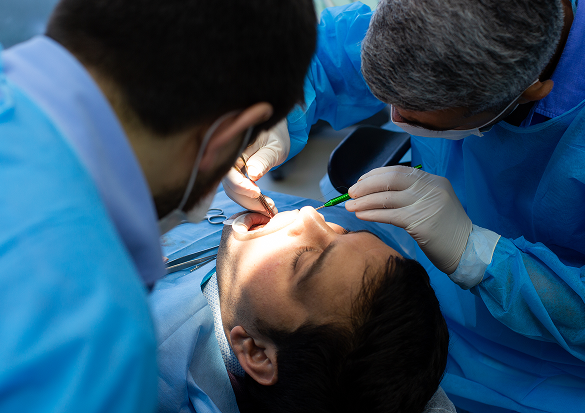
A dental checkup assesses your teeth, gums, bite and oral tissues, including concerns you may not be able to see at home. Dr. Barry Diamond reviews symptoms and health changes before explaining the findings and your options.
An examination and a professional cleaning have different purposes. They may be scheduled together, but the team confirms which care you need and whether gum treatment should follow a different plan.
Regular dental checkups serve as your first line of defense against tooth decay, gum disease, and other oral health complications. Many dental problems develop silently, causing no pain until they reach advanced stages requiring extensive treatment.
Professional preventive care allows early detection of cavities, gingivitis, oral cancer, and bite problems. When caught early, most dental issues can be treated simply and affordably, preserving your natural teeth and overall health.
What a checkup typically covers:
A professional cleaning is usually done at the same visit.

X-rays can show concerns between teeth, around roots and in supporting bone that cannot be assessed fully by looking in the mouth. Recommendations depend on the examination, symptoms, risk and usable previous images. Tell the team about recent dental records and any relevant health considerations.
Diamond Dental uses digital X-rays. Exposure depends on the type of image and equipment; a single percentage reduction is not promised. The iTero Element 5D scanner creates a digital model of tooth surfaces and bite and has a different role from X-ray imaging.
A cleaning removes plaque and hardened deposits. Gum measurements may instead indicate a need for periodontal treatment or maintenance. Ask what is included in your appointment before the visit.
Recommendations for comprehensive dental checkups at Diamond Dental begin with an examination and a conversation about the patient’s goals. Dr. Barry Diamond evaluates teeth, gums, bite, oral tissues, existing restorations, symptoms, and risk factors before recommending treatment. This helps identify problems early and keep preventive care tied to an individualized plan, without assuming that every patient needs the same procedure.
Dr. Diamond earned his Doctor of Dental Surgery degree from the University of Maryland and completed an Advanced Education in General Dentistry program. That background supports comprehensive treatment planning, coordination between preventive, restorative, and cosmetic needs, and a clear discussion of alternatives. Before care begins, patients receive an explanation of the proposed sequence, expected maintenance, and considerations specific to their health history.
Bring a medication list, relevant medical updates, details of dental symptoms and any recent X-rays or records you can share. Tell the team if you are anxious or have difficulty opening your mouth comfortably.
After the exam, ask which findings need attention first, what can be monitored, and which treatments are optional. Request an explanation of alternatives, fees and the recommended follow-up interval. The schedule is based on your needs rather than the same interval for every patient.
Don’t wait for your next checkup if you notice gums that bleed or swell, a tooth that aches or hurts when you bite