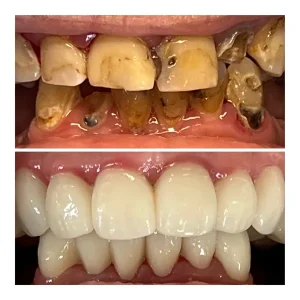

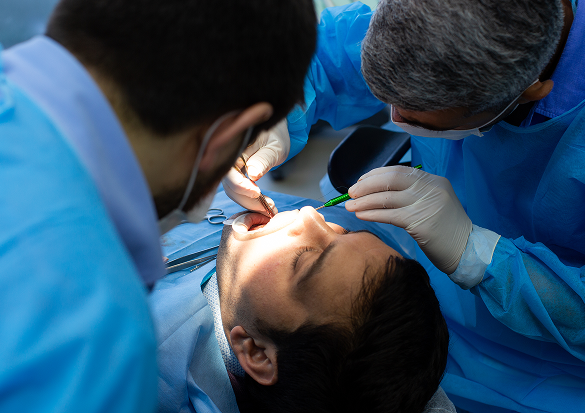
Tooth extractions are dental procedures that involve the careful removal of teeth that cannot be saved through other treatments. Common reasons patients need tooth extractions include severe decay that has damaged most of the tooth structure, advanced gum disease that has loosened teeth, impacted wisdom teeth causing pain or crowding, or teeth broken beyond repair by trauma or injury.
At Diamond Dental, we understand that the prospect of tooth extractions can feel overwhelming, which is why our approach emphasizes patient comfort, clear communication, and advanced techniques that minimize discomfort. Our goal is to make the experience as smooth and stress-free as possible while ensuring the best outcome for your oral health.
Whether you’re dealing with a painful wisdom tooth, severe decay, or preparing for orthodontic treatment, professional tooth extractions can relieve discomfort and prevent more serious complications from developing while setting the stage for improved oral health.
Most dentists prefer to save natural teeth whenever possible, but sometimes extraction becomes the best option for protecting your overall oral health. Severe tooth decay that extends deep into the root, advanced periodontal disease that has destroyed supporting bone and tissue, or impacted teeth that cannot emerge properly are situations where extraction often provides the most effective solution.
Delaying necessary extractions can lead to increased pain, infection that spreads to surrounding teeth and tissues, and complications that make the eventual procedure more complex. Early intervention when extraction is recommended helps prevent these problems and typically results in more comfortable treatment and faster healing.
Modern extraction techniques focus on preserving surrounding bone and tissue whenever possible, which is important if you plan to replace the extracted tooth with an implant, bridge, or partial denture. Understanding why extraction is recommended helps patients make informed decisions about their treatment options.
Professional tooth extractions eliminate the source of pain and infection, providing immediate relief from the discomfort that brought you to the dental office. Advanced anesthesia techniques ensure you remain comfortable throughout the procedure, while modern extraction methods minimize trauma to surrounding tissues and promote faster healing.
Removing problematic teeth prevents the spread of infection to adjacent teeth and reduces the risk of more serious complications such as abscesses or systemic infections. Professional extractions also allow for proper healing and preparation if you plan to replace the extracted tooth with an implant or other restoration.
Our comprehensive approach includes detailed pre-treatment planning, gentle extraction techniques, and thorough post-operative care instructions to ensure optimal healing. Many patients are surprised by how manageable the experience is when extractions are performed by skilled professionals using current techniques and technology.
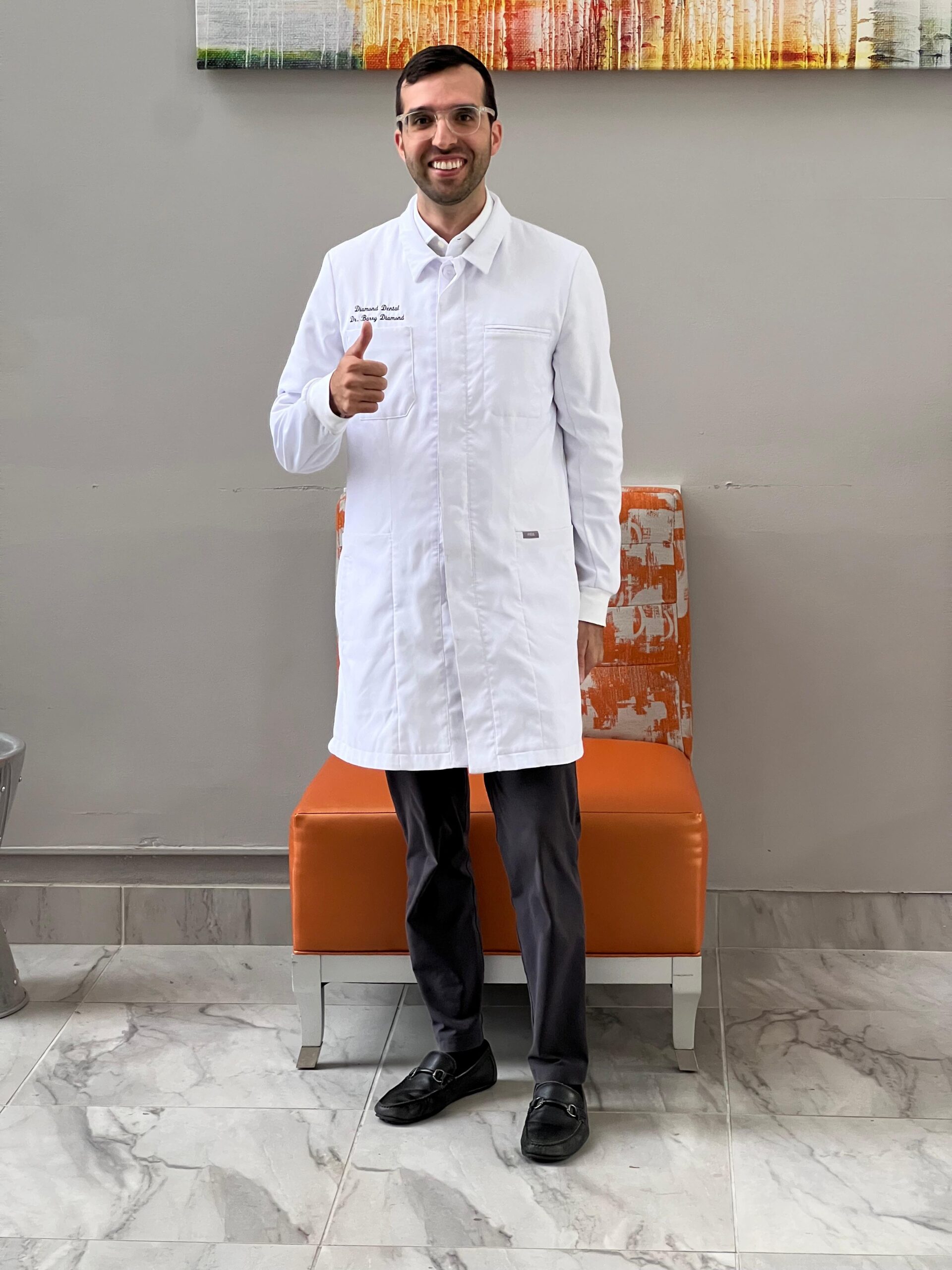
Recommendations for tooth extraction at Diamond Dental begin with an examination and a conversation about the patient’s goals. Dr. Barry Diamond evaluates the cause of damage, restorability, infection, root shape, surrounding bone, medical history, and replacement needs before recommending treatment. This helps remove a non-restorable tooth safely while planning what comes next, without assuming that every patient needs the same procedure.
Dr. Diamond earned his Doctor of Dental Surgery degree from the University of Maryland and completed an Advanced Education in General Dentistry program. That background supports comprehensive treatment planning, coordination between preventive, restorative, and cosmetic needs, and a clear discussion of alternatives. Before care begins, patients receive an explanation of the proposed sequence, expected maintenance, and considerations specific to their health history.
Dr. Diamond first determines whether the tooth can reasonably be saved. When removal is appropriate, the procedure, anesthesia, aftercare, expected healing, and tooth-replacement options are discussed before treatment.
Before treatment, the team reviews expected timing, comfort options, alternatives, fees, and follow-up needs that apply to the individual plan. After care, patients receive practical home-care instructions and a schedule for reassessment or maintenance.
Henya, Val and Sarah were all amazing! 10/10Can’t wait to come back
Visited doctor Diamond on an emergency basis. Visiting Cleveland from California and was having some dental issues. He resolved my problem quickly and effectively. And, his bedside manner was absolutely wonderful. His staff was kind, informative and friendly. They were all the things you look for when visiting a doctor away from home. I never write reviews but this experience was exceptional!! I highly recommend Dr. Diamond!
Dr Diamond is gentle, caring, precise and thorough. Truly an incredible dentist. The office staff are also friendly, helpful and organized, and accommodating. Thank you all! Highly recommend.
Had a great experience! They were very accommodating for an emergency appointment. Dr diamond and his hygienist were a great team, were very caring and made sure to explain everything and followed up afterward.
In and out for a filling
Excellent patient care, easy to make appointment.
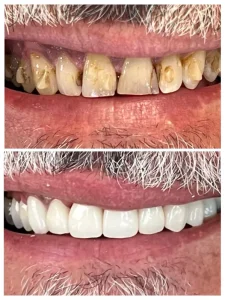
Dr. Diamond confirms whether removal is necessary and discusses alternatives when available.
Local anesthesia and clear communication help make the procedure manageable.
You receive instructions for bleeding control, eating, cleaning and when to call the office.
These answers address common questions about tooth extraction, including evaluation, timing, comfort, alternatives, and maintenance. They provide general information only; an examination is necessary to determine what is appropriate for an individual patient.
During tooth extraction, you can expect thorough numbing of the area followed by gentle removal of the tooth using specialized instruments. Most patients experience little to no discomfort during the procedure due to effective local anesthesia. After extraction, some mild discomfort and swelling are normal for a few days and typically respond well to over-the-counter pain medications and cold compresses.
Signs you may need extraction include severe, persistent tooth pain that doesn’t respond to treatment, teeth that are loose due to advanced gum disease, extensive decay that cannot be restored with fillings or crowns, impacted wisdom teeth causing pain or crowding, or teeth damaged beyond repair by trauma. A dental examination can determine if extraction is necessary.
After extraction, manage discomfort by taking prescribed or recommended pain medications as directed, applying cold compresses to reduce swelling, getting adequate rest, and avoiding strenuous activity for the first day or two. Most patients find that pain peaks within the first 24 hours and then gradually decreases over the next few days.
Recovery from tooth extraction varies by individual and the complexity of the procedure, but most patients can return to normal activities within a day or two. Complete healing of the extraction site typically takes one to two weeks, though the initial discomfort usually subsides within the first few days.
Following post-operative care instructions carefully helps ensure optimal healing. Most patients find that any discomfort is manageable with over-the-counter pain medications, and the extraction site gradually fills in with new tissue as healing progresses.
If you receive only local anesthesia for your tooth extraction, you should be able to drive yourself home after the procedure once the numbness begins to wear off and you feel alert and comfortable. However, if you receive sedation or feel dizzy or unwell after the procedure, you will need someone to drive you home.
We recommend arranging for transportation in advance, especially for more complex extractions or if you’re unsure how you’ll feel after the procedure. Your safety and comfort are our primary concerns, so we’ll assess your condition before you leave the office.