

Periodontics is the dental specialty focused on preventing, diagnosing, and treating gum disease and other conditions affecting the tissues that support your teeth. Healthy gums provide the foundation for your entire smile, but when infection or inflammation develops, it can lead to serious problems including tooth loss if left untreated. At Diamond Dental, we understand that gum problems often develop gradually and may not cause obvious symptoms in the early stages. Many patients don’t realize they have periodontal disease until it has progressed significantly, which is why professional periodontics care is essential for maintaining long-term oral health. Whether you’re dealing with early signs of gum inflammation, advanced periodontal disease, or considering dental implants to replace missing teeth, comprehensive periodontics treatment can help restore your gum health and preserve your natural teeth for years to come.
Periodontal disease is one of the most common dental problems affecting adults, yet many people don’t understand how it develops or why it requires specialized treatment. The condition begins when bacteria in plaque build up along the gum line, causing inflammation and infection that gradually destroys the tissues supporting your teeth. Without proper treatment, periodontal disease progresses from mild gingivitis to more serious forms that can cause gum recession, bone loss, and eventually tooth loss. The bacteria involved in gum disease have also been linked to serious health conditions including heart disease, diabetes complications, and stroke. The good news is that periodontics has advanced significantly, offering effective treatments that can halt disease progression and often restore much of the damage. Early intervention is always preferred, but even advanced cases can often be successfully managed with appropriate specialized care.
Today’s periodontics treatments are more comfortable and effective than ever before, with options ranging from non-surgical deep cleaning procedures to advanced regenerative techniques that can actually restore lost gum and bone tissue. Modern diagnostic tools allow us to detect problems early when treatment is simpler and more predictable. Successful periodontics treatment not only improves your oral health but can also have positive effects on your overall well-being. Patients often notice fresher breath, more comfortable eating, and increased confidence in their smile after addressing gum problems that may have been bothering them for years. Many periodontics procedures can now be completed with minimal discomfort and faster healing times thanks to advanced techniques and better post-treatment care protocols. The investment in professional periodontics care often prevents the need for more extensive and expensive treatments later.
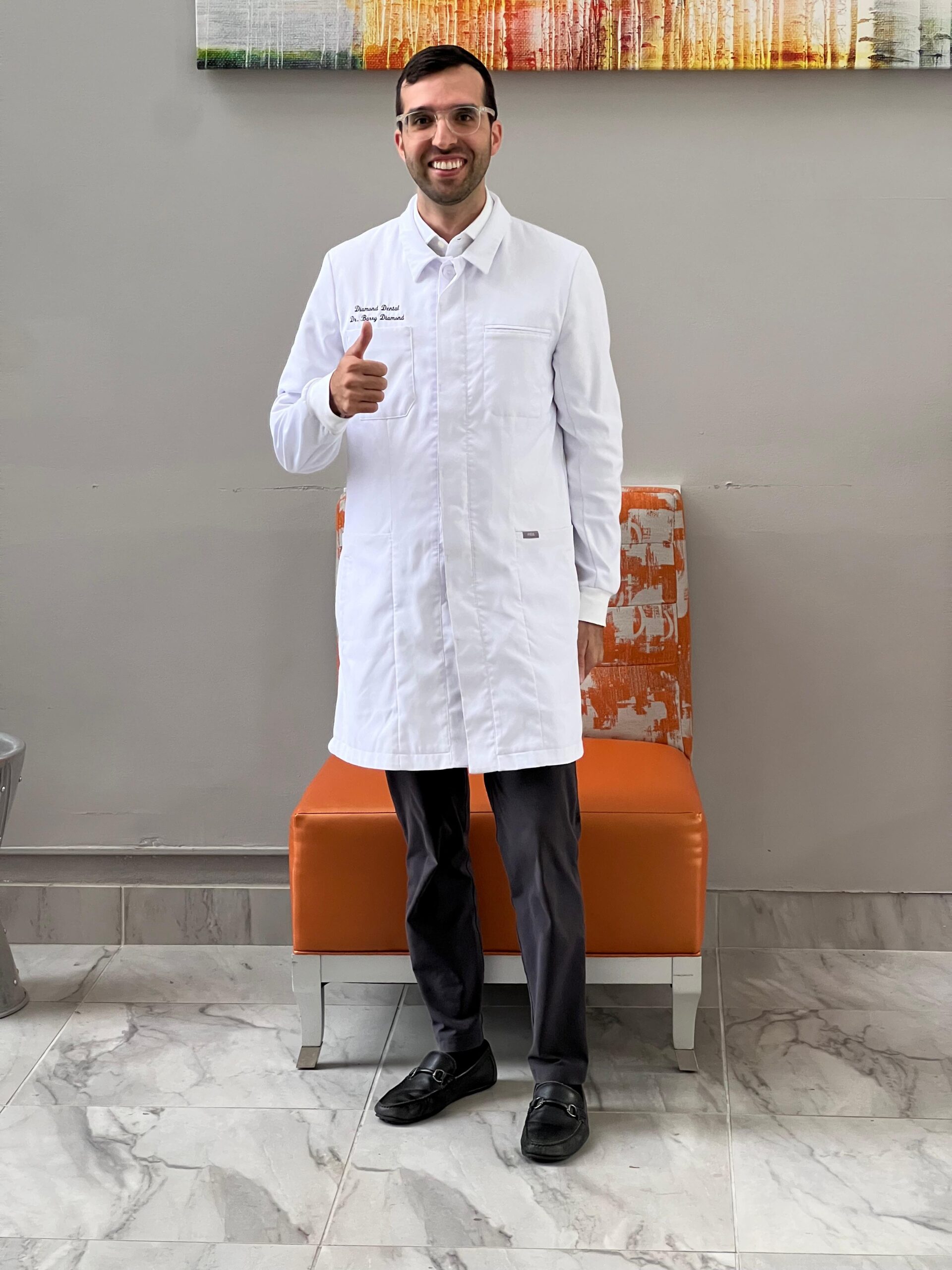
Recommendations for gum-disease care at Diamond Dental begin with an examination and a conversation about the patient’s goals. Dr. Barry Diamond evaluates gum inflammation, pocket depths, bleeding, bone support, home-care challenges, and medical risk factors before recommending treatment. This helps control infection and protect the support around the teeth, without assuming that every patient needs the same procedure.
Dr. Diamond earned his Doctor of Dental Surgery degree from the University of Maryland and completed an Advanced Education in General Dentistry program. That background supports comprehensive treatment planning, coordination between preventive, restorative, and cosmetic needs, and a clear discussion of alternatives. Before care begins, patients receive an explanation of the proposed sequence, expected maintenance, and considerations specific to their health history.
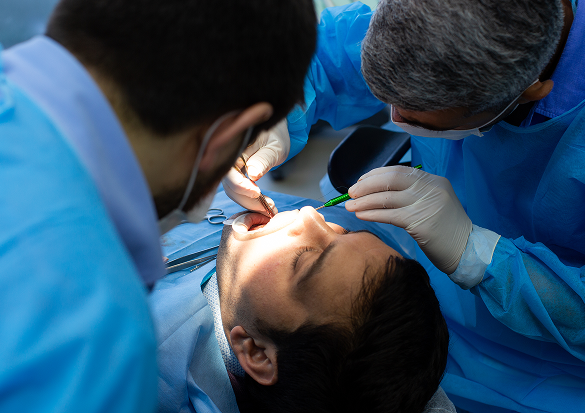
The team measures gum health and reviews appropriate X-rays before classifying the problem. Care may include improved home care, professional cleaning, nonsurgical periodontal therapy, maintenance visits, or referral when advanced treatment is needed.
Before treatment, the team reviews expected timing, comfort options, alternatives, fees, and follow-up needs that apply to the individual plan. After care, patients receive practical home-care instructions and a schedule for reassessment or maintenance.
Great experience wonderful and friendly staff will continue to refer to friends and family
I liked to go to the dentist because it's fun to get prizes, and also to get my teeth cleaned because they were so shiny and clean. thank you Dr. Diamond. Chanie Seligman
Staff are friendly and cheerful, they know their job well and are a real pleasure to deal with. Dr. Diamond himself is amazing. He inspires confidence with his competence and calm, gentle demeanor. He is caring and friendly and really makes the experience as pleasant as it can possibly be. Strongly recommend.
Great dentist and team!
Amazing experience and can’t wait to come back for my next cleaning!! The staff is incredible. Highly recommend! 🙌
Dr Diamond is the best dentist ever!So patient and kind, does a fantastic job, very professional and explains everything so well! Always a great experience going there
Pocket depths, bleeding, recession and bone support are checked to define current health.
Care is matched to the severity of periodontal disease and the areas affected.
Ongoing cleanings and home-care guidance help protect the treatment result.
These answers address common questions about gum-disease care, including evaluation, timing, comfort, alternatives, and maintenance. They provide general information only; an examination is necessary to determine what is appropriate for an individual patient.
Gum disease treatments range from non-surgical scaling and root planing for early stages to surgical procedures for advanced cases. Treatment effectiveness depends on the severity of the condition and how well patients maintain their oral hygiene afterward. Most patients see significant improvement with appropriate treatment and follow-up care.
Warning signs include persistent bad breath, bleeding gums during brushing or flossing, gum recession, loose teeth, or changes in your bite. Red, swollen, or tender gums are also common early symptoms. Regular dental checkups can detect periodontal problems before they become serious and require more extensive treatment.
Gum recession can result from aggressive brushing, genetic factors, hormonal changes, grinding teeth, or most commonly, untreated periodontal disease. Prevention focuses on gentle brushing technique, regular professional cleanings, and addressing gum disease early. Once recession occurs, various treatments can help restore gum tissue and prevent further loss.
Most patients benefit from periodontal maintenance every three to four months rather than the typical six-month schedule for healthy gums. This more frequent care helps prevent disease recurrence and maintains the improvements achieved through treatment. Your specific maintenance schedule depends on your individual risk factors and treatment history.
A balanced diet rich in vitamins C and D, calcium, and antioxidants supports gum health and healing. Limiting sugary and acidic foods reduces harmful bacteria growth, while staying hydrated helps maintain healthy saliva flow. Good nutrition complements professional periodontics care and daily oral hygiene for optimal results.