

Whitening can lighten some stains on natural teeth. The result depends on the cause of discoloration and the condition of the teeth, so an examination comes before selecting treatment.
At Diamond Dental, Dr. Barry Diamond discusses your goals, sensitivity and any visible fillings, crowns or veneers. Those restorations do not whiten like natural enamel. Ask which approach is suitable and how a change in tooth shade could affect the rest of your smile.
Some discoloration responds to bleaching, while other changes may need a different approach. A darkened individual tooth, untreated decay or gum concerns should be assessed before cosmetic treatment.
Stains on the surface from coffee, tea, red wine, cola, tobacco and some foods typically respond best. Teeth that look yellow from age often lighten well too. Stains from inside the tooth, such as gray or uneven color linked to certain childhood medications, too much fluoride while teeth were forming, or an old injury, tend to respond less predictably and may be better addressed another way.
Whitening only changes natural enamel. Crowns, veneers, bonding and tooth-colored fillings keep their shade, so a front restoration that matches now may look darker after whitening. Your existing dental work is part of the conversation from the start.
The dentist explains available in-office or dentist-guided take-home approaches, product instructions and expected timing for your case. If whitening will not address the concern, discuss alternatives through our cosmetic dentistry overview.
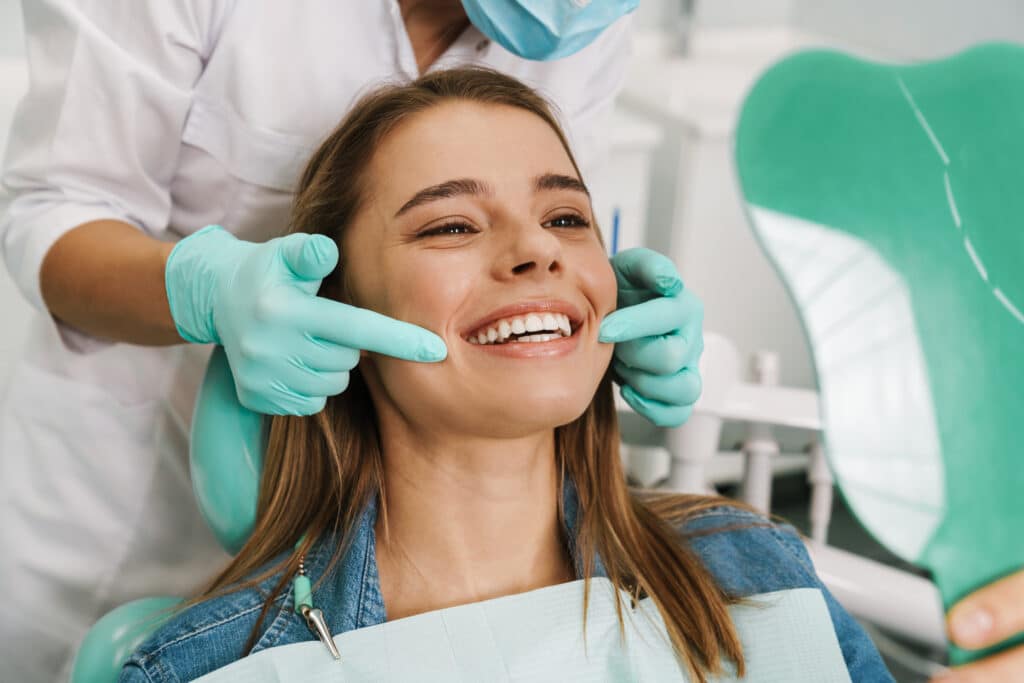
Temporary sensitivity or gum irritation can occur. Tell the team about existing sensitivity before treatment, and follow the product and dentist’s instructions rather than increasing concentration or wearing time yourself.
Keeping sensitivity manageable: a toothpaste made for sensitive teeth, started a week or two before and used during treatment, often helps. Sensitivity usually settles within a few days of finishing. If it is strong, it’s normal to pause between sessions; ask the team before you do.
No particular shade change or duration is guaranteed. Tobacco and staining foods or drinks can affect the result over time. Continue daily cleaning and checkups, and discuss any touch-up treatment before using additional products.
Helping your result last: for the first day or two, teeth pick up stain more easily, so go easy on coffee, tea, red wine and dark sauces. After that, rinsing with water after dark drinks and keeping up regular cleanings helps the shade hold.
Recommendations for professional teeth whitening at Diamond Dental begin with an examination and a conversation about the patient’s goals. Dr. Barry Diamond evaluates the source of discoloration, tooth sensitivity, enamel condition, and visible fillings, crowns, or veneers before recommending treatment. This helps select a whitening approach that fits the type of staining and protects soft tissues, without assuming that every patient needs the same procedure.
Dr. Diamond earned his Doctor of Dental Surgery degree from the University of Maryland and completed an Advanced Education in General Dentistry program. That background supports comprehensive treatment planning, coordination between preventive, restorative, and cosmetic needs, and a clear discussion of alternatives. Before care begins, patients receive an explanation of the proposed sequence, expected maintenance, and considerations specific to their health history.

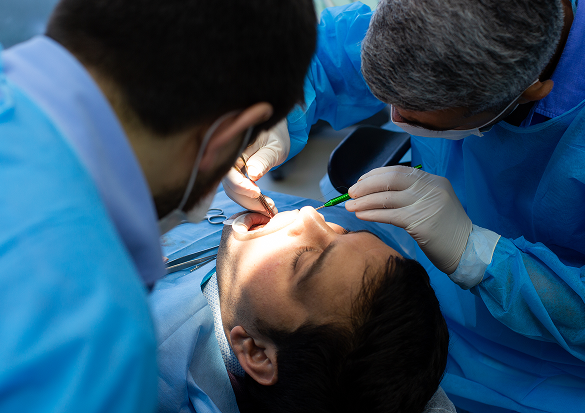
Assessment includes the source of staining, enamel condition, gum health and existing restorations. The team explains the available method, preparation, timing, instructions and cost before treatment.
For an in-office approach, ask what happens during the visit and what aftercare is needed. For dentist-guided home treatment, ask about application, wear time, cleaning and what to do if sensitivity develops. The suitable approach depends on your examination and preferences.
Planning tips. Whitening usually works best after a professional cleaning, which clears surface stain and tartar so the true shade shows. If you are planning new crowns or veneers on front teeth, whitening first lets the new work be matched to your brighter shade. Allow time before a wedding or event, since results build over sessions. Ask whether insurance or the savings-plan discount applies, as many plans treat whitening as elective; see payment options.
Not every color concern responds the same way to whitening. Tell Dr. Diamond whether the change involves natural teeth, a crown, a veneer or a filling. Whitening acts on natural enamel and does not change the shade of existing restorations, so a front crown or filling may stand out once the surrounding teeth are lighter.
Mention previous whitening and any sensitivity so the plan covers comfort as well as appearance. Tooth or gum problems may need attention before elective whitening is appropriate. If whitening alone would not reach your goal, ask about other options such as veneers or bonding, and compare how each is maintained.
Henya, Val and Sarah were all amazing! 10/10Can’t wait to come back