

Diamond Dental provides braces and Invisalign clear aligners in-house. These treatments move teeth to address alignment and bite concerns. The best approach depends on your examination, oral health, and the movements needed.
Dr. Barry Diamond is a general dentist who evaluates and plans your care. Complex alignment or jaw concerns may call for an orthodontist’s assessment, and referral is discussed when appropriate.
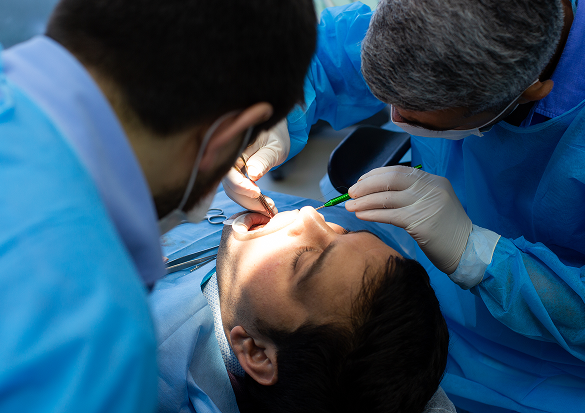
Explain concerns such as crowding, gaps, teeth that moved after earlier treatment, or a change in how your teeth meet. The examination considers the bite, gum health, existing restorations, and tooth position. Diagnostic records or a digital scan may be used for planning.
Why alignment is about more than looks. Crowded or overlapping teeth are harder to clean, so plaque collects and the risk of decay and gum problems rises. A bite that doesn’t meet evenly can wear some teeth faster, chip edges, or strain the jaw. Teeth also tend to shift gradually through adult life, which is why crowding often appears or returns years after childhood braces, especially if retainers stopped being worn.
Decay and gum problems may need attention before teeth are moved. The consultation is also an opportunity to discuss your schedule, previous braces or retainers, and what you can maintain during treatment.

Braces use fixed brackets and wires. They require care around the appliances, adjustment visits, and precautions with foods that could damage them. Invisalign uses removable clear aligners and requires following the prescribed wear schedule and changing aligners as directed.
Living with braces. Hard and sticky foods, such as nuts, popcorn, hard candy, caramel, ice and crusty bread, can loosen brackets or bend wires, so they’re best avoided or cut small. Brushing takes longer, and floss threaders or small interdental brushes help clean around the wires. Teeth are often sore for a few days after placement and after adjustments; soft foods help, and orthodontic wax can cover a bracket that rubs.
Neither approach suits every case. Ask about the movements required, appliance care, progress visits, fees, and what happens if an appliance breaks or an aligner is lost. See the Invisalign treatment page for details specific to clear aligners.
Recommendations for orthodontic care at Diamond Dental begin with an examination and a conversation about the patient’s goals. Dr. Barry Diamond evaluates tooth alignment, bite relationships, jaw function, gum health, and restorative considerations before recommending treatment. This helps improve alignment with a plan that protects function and periodontal health, without assuming that every patient needs the same procedure.
Dr. Diamond earned his Doctor of Dental Surgery degree from the University of Maryland and completed an Advanced Education in General Dentistry program. That background supports comprehensive treatment planning, coordination between preventive, restorative, and cosmetic needs, and a clear discussion of alternatives. Before care begins, patients receive an explanation of the proposed sequence, expected maintenance, and considerations specific to their health history.
Once the findings and options are reviewed, your plan sets out the appliance approach and monitoring schedule. Treatment length depends on the starting alignment, required movements, and progress; an online description cannot set an individual timeline.
Continue recommended dental checkups and cleaning during treatment. After teeth have moved, retainers help maintain their position. Ask about retainer wear, replacement, and follow-up before beginning so long-term care is part of the decision.
Why retainers matter. The bone and gum around newly moved teeth take time to settle, and teeth tend to drift back toward where they started. A retainer is typically worn most of the day at first, then at night, often for the long term. Retainers can be removable or a thin wire bonded behind the teeth. Clean a removable retainer daily with cool water, keep it in its case, an